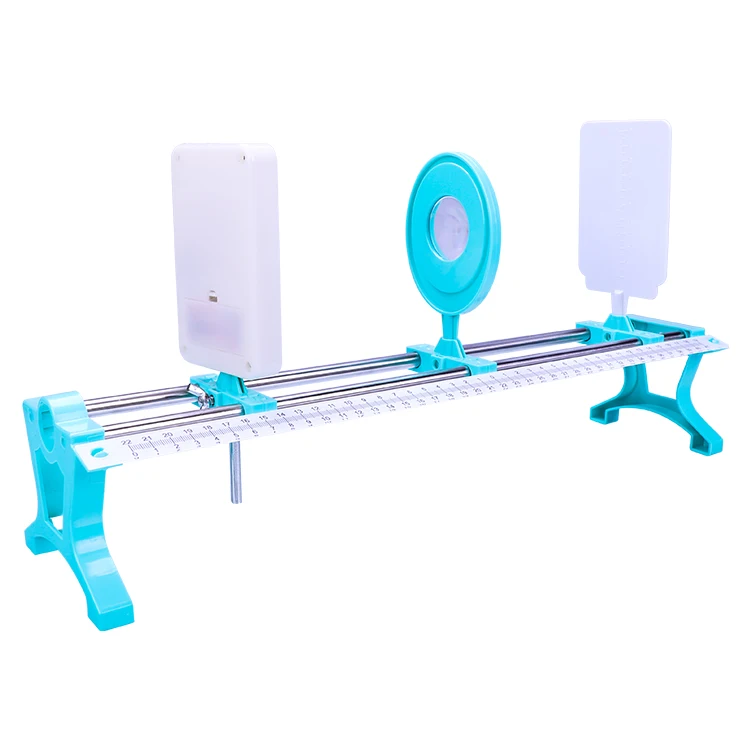
In order to achieve the best measurements using a graduated cylinder, there are some tips you should follow. For starters, never sit the graduated cylinder on an uneven surface. If it isn’t level, your readings can be inaccurate. Next, squat down and read the measurement at eye level. They’re called the meniscus, or the curve at the top of the liquid. From above or below, it can look like a different level, which may change your results. There’s the matter of reading the cylinder when it is quiet, too. Jostle it or move it around and the liquid could make waves, leaving you unable to view where the liquid extends.
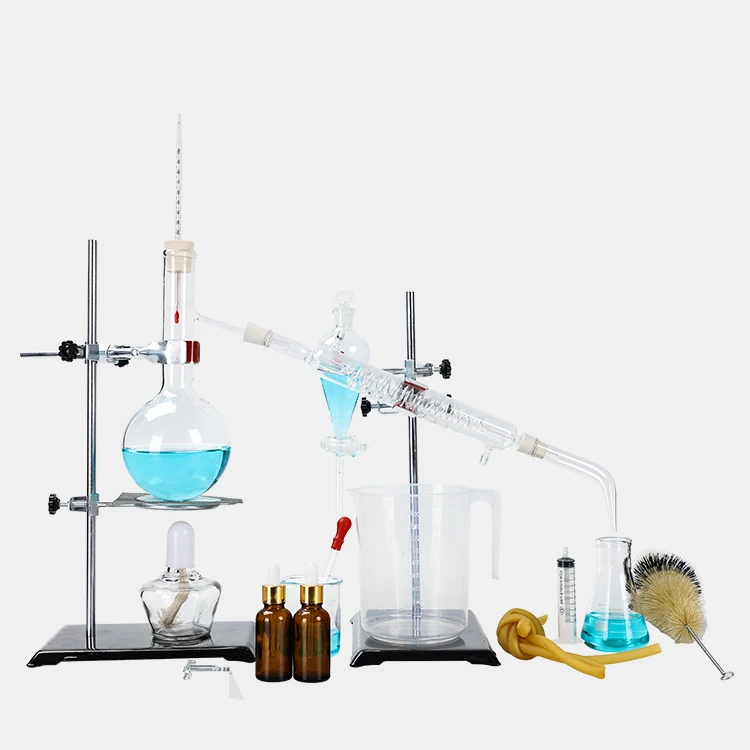
Another helpful tip is to pour it slowly. Pour too fast and you could spill or get air bubbles in the cylinder, which can affect your measurement. Don’t rush and keep it steady. After use, ensure graduated cylinder is cleaned to prevent contamination in subsequent experiments. if nothing else, you also have residue from mixing multiple different liquids and it might interfere with your results, not good. (Also check cylinder markings, of course.) Some graduated cylinders come with different scales, such as milliliters or liters. Be certain you are reading the correct scale to get the accurate measurement. By implementing these tricks, you can provide quality measurements that are accurate and trustworthy. For those interested in enhancing their lab experience, consider the 2024 High Quality Portable Biological Experiment Kit to ensure precise measurements.
Cleaning and maintaining graduated cylinders is very important if we get meaningful measurements in the laboratory. A graduated cylinder is a long, narrow container that has measurements along the side to tell how much liquid it contains. If these containers aren’t cleaned well, they can still retain some chemicals or dirt that will be mixed with new liquids. This can result in error measurements and therefore incorrect results in experiments. Rinse a graduated cylinder with warm water to clean it. Then wash the inside with some soap or detergent. You can also scrub the inside gently with a soft cloth or a brush with soft bristles. Be mindful not to scuff the glass or plastic. Rinse the graduated cylinder at least three times with clean water after scrubbing to remove all the soap. If you used heavy chemicals, you may have to rinse it a few more times.
Be certain to dry the graduated cylinder after washing. You might turn it upside down on a clean towel or use a drying rack. Especially if you store graduated cylinders with water still in it, overtime this will enable bacteria growth or even damage the cylinder. You can then also inspect the graduated cylinder for cracks or chips before you use it. If you notice any damage, just replace it to avert accidents. Store graduated cylinders so that they cannot tip over or fall. "These graduated cylinders from Maihun are the perfect addition to any lab with their durability and ease of cleaning. With good care, your graduated cylinders will last a long time and provide you with reliable measurements for years to come, especially if paired with our Rechargeable Precision Electronic Analytical Balance.
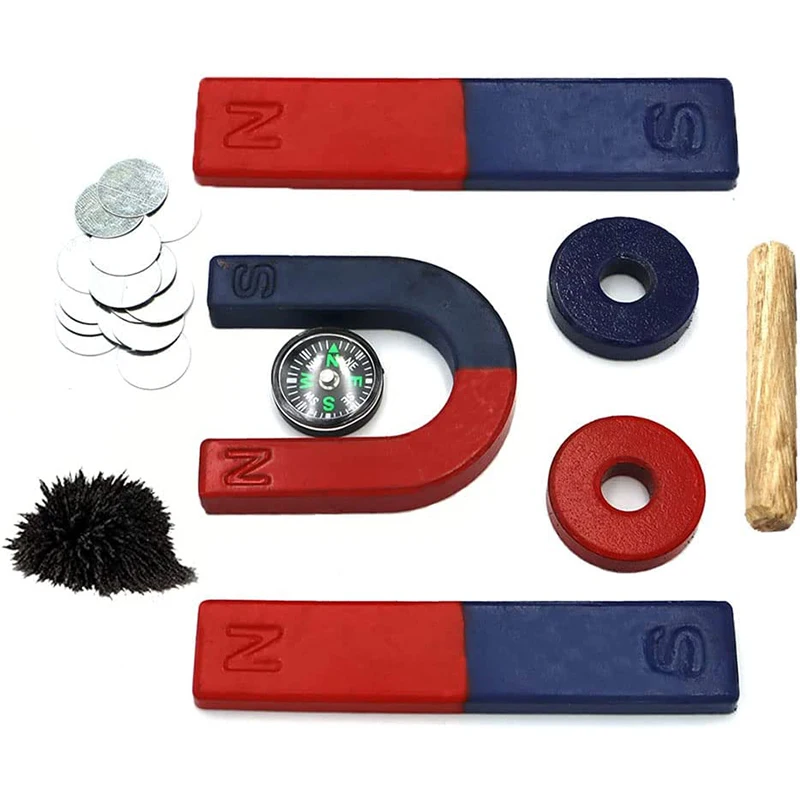
Graduated cylinders are important tools in all labs because they allow scientists to measure liquids accurately. They’re made for varying amounts of liquid, and even those not marked off ideal amounts make it a relief to see through that graduated measures like these. This is critical, as many experiments require just the right amount of liquid. If you put in too much or not enough, the answer can be incorrect. When you mix chemicals together you have to combine them in the right proportions to get the reaction that you want. A graduated cylinder makes it more likely that you are using just the right amount.
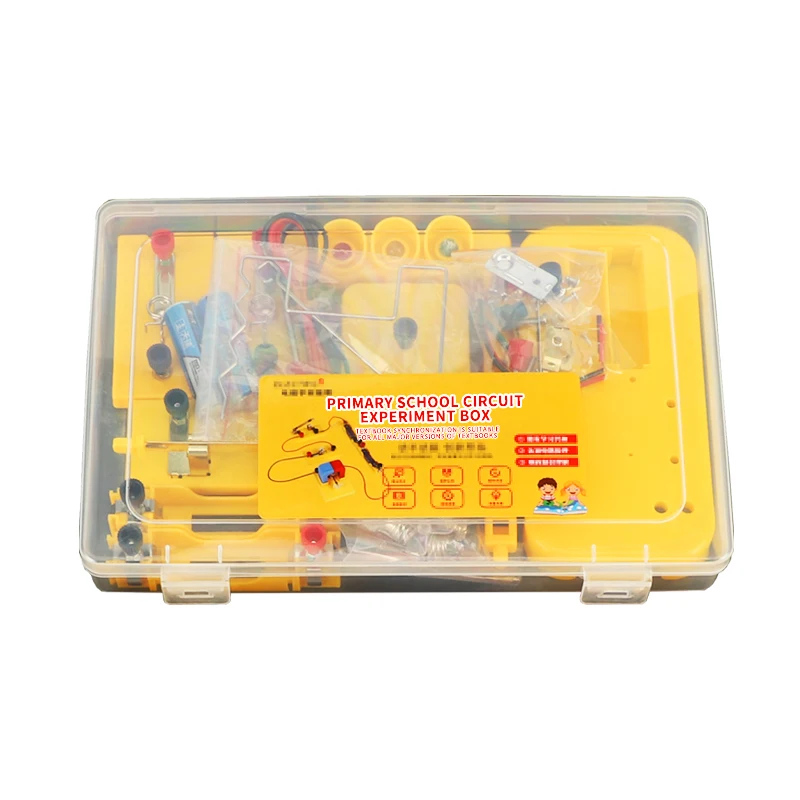
A second reason why graduated cylinders are indispensable is because of their versatility. They can be used to measure water, chemicals or any liquid in a lab. That means that with a single tool you can perform many different experiments. Graduated cylinders come in different sizes, so you'll have to pick the right one for your experiment. Maihun has plenty of graduated cylinders, helping you get the right one for your busy life. Graduated cylinders are also manufactured from materials including glass and durable plastics. Glass graduated cylinders are good for measuring hot liquids because they can handle the heat; plastic ones aren’t as heavy and less likely to shatter. Consider using them alongside products such as the High Quality Serpentine Spherical Fat Extractor for your experiments.
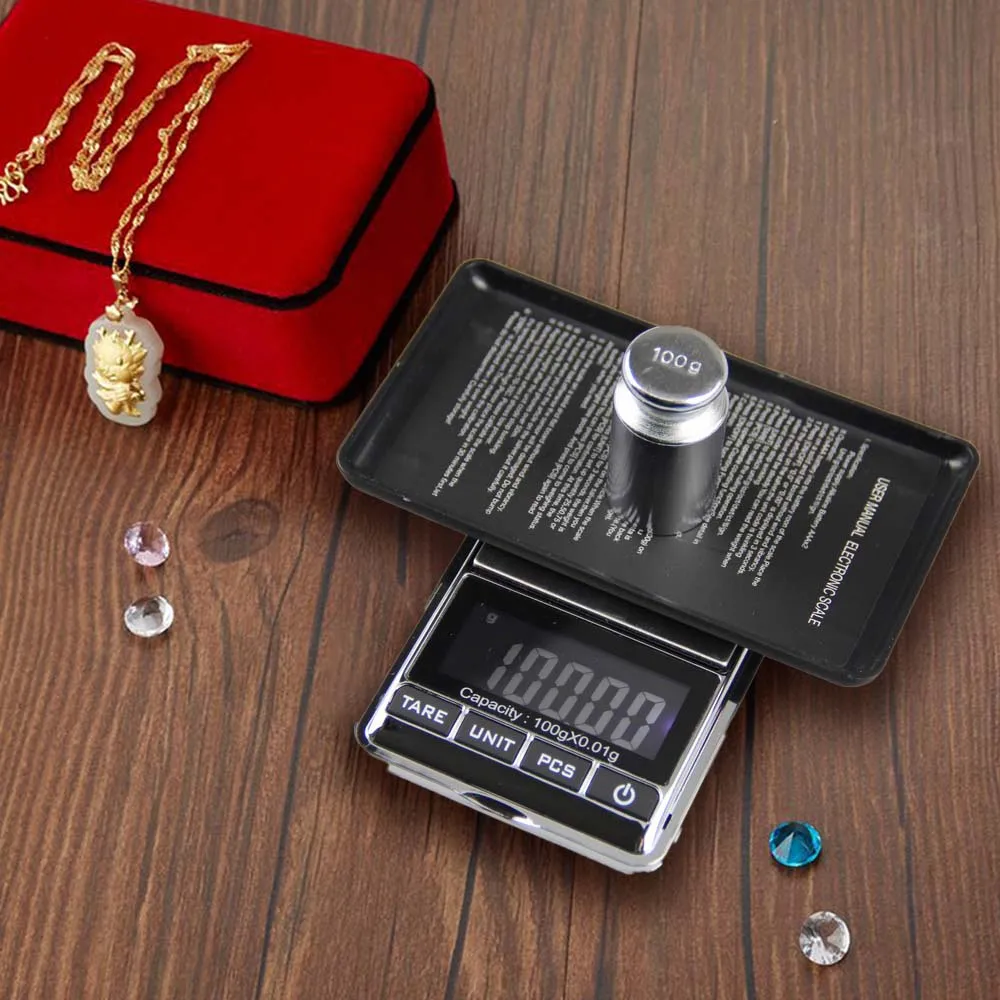
Fill the graduated cylinder with a certain quantity of water to begin with, say 100 milliliters. Measure the water with a device that you trust, like scales or anything that is calibrated. Pour this measured volume into the graduated cylinder splash/splash/sploosh and see where the water level falls on the graduations. If the water level reaches exactly 100 milliliters, then your graduated cylinder is calibrated properly. If it isn't, either the sizes you have are off, you used too much or too little liquid filler, or your cylinder is damaged somehow so that it doesn't measure how the liquid inside measures.
As a source manufacturer with 20 years of experience, we independently handle production, R&D, and global export, ensuring full quality control and reliable supply for educational equipment.
Our products hold ISO 9001:2015, CE certifications, and test reports. We provide full lifecycle support—from custom design and safe packaging to warranty services and post-warranty repairs—ensuring a seamless customer experience.
We offer a complete portfolio of science lab equipment across physics, chemistry, biology, and primary sciences, with a dedicated R&D team that provides tailored solutions for curriculum and laboratory needs.
With a team of over 20 foreign trade professionals, we export to 30+ regions including Europe, the U.S., the Middle East, Africa, and Asia, supported by fast production, efficient logistics, and timely delivery.
 EN
EN
 AR
AR
 BG
BG
 HR
HR
 CS
CS
 DA
DA
 NL
NL
 FI
FI
 FR
FR
 DE
DE
 EL
EL
 HI
HI
 IT
IT
 JA
JA
 KO
KO
 PL
PL
 PT
PT
 RO
RO
 RU
RU
 ES
ES
 TL
TL
 ID
ID
 SR
SR
 SK
SK
 SL
SL
 VI
VI
 MT
MT
 TH
TH
 TR
TR
 FA
FA
 AF
AF
 MS
MS
 GA
GA
 HY
HY
 BN
BN
 MN
MN
 SO
SO
 KK
KK
 MY
MY
 UZ
UZ