 EN
EN
 AR
AR
 BG
BG
 HR
HR
 CS
CS
 DA
DA
 NL
NL
 FI
FI
 FR
FR
 DE
DE
 EL
EL
 HI
HI
 IT
IT
 JA
JA
 KO
KO
 PL
PL
 PT
PT
 RO
RO
 RU
RU
 ES
ES
 TL
TL
 ID
ID
 SR
SR
 SK
SK
 SL
SL
 VI
VI
 MT
MT
 TH
TH
 TR
TR
 FA
FA
 AF
AF
 MS
MS
 GA
GA
 HY
HY
 BN
BN
 MN
MN
 SO
SO
 KK
KK
 MY
MY
 UZ
UZ

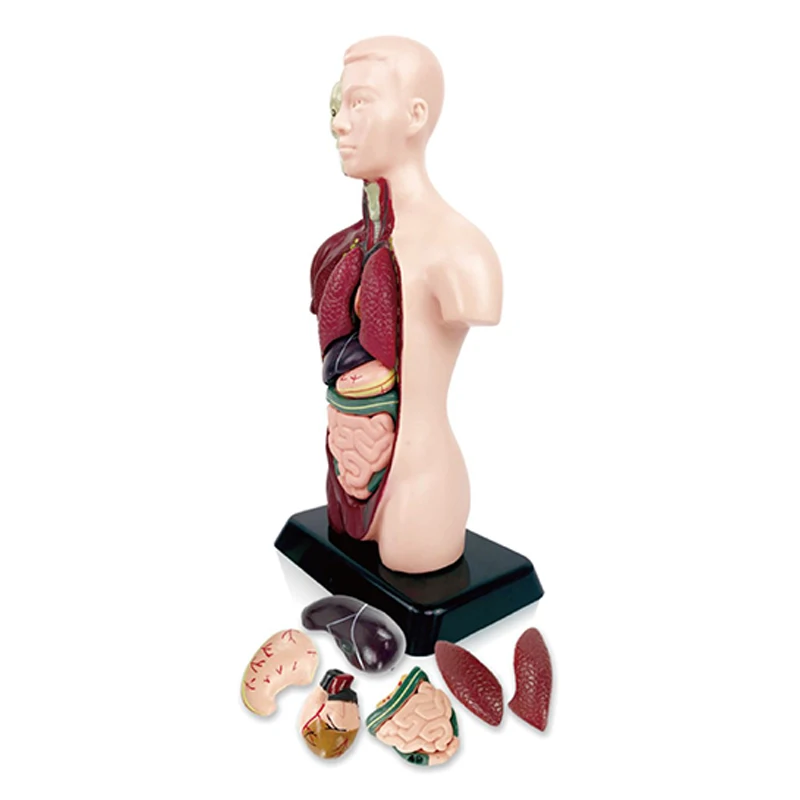
Everyone should learn about the human body, especially people who want to become doctors and nurses. Pictures and books are good, and we can’t cover everything with our teachings. That’s where 3D models comes in. There are companies like Maihun making great 3D human body models to help students and teachers really understand anatomy in a way that they couldn’t before. These models in 3D are transforming the way we learn about our bodies, making lessons more engaging and easier to grasp. Students can explore the models from all angles, which may help them get a sense of how it all fits together in real life. The learning is also much more fun and effective with this hands-on experience.
Top 5 Sources Of 3D Anatomy Models For Education
If you are on the hunt for high-quality 3D human body models, Maihun is an excellent starting point. They provide plenty of detailed models that fully display the body’s parts. You can track down models of muscles, organs, even the skeletal system itself. Most of these models are suitable for in-class use. And they are made with state-of-the-art technology to present students with realistic looks at human anatomy. Having these models in your classroom can make a big difference if you’re a teacher. Students can crowd around the models and read about it together. It encourages an engaged learning atmosphere. Aside from Maihun, there are also a few online platforms and educational resources where some 3D models can be accessed. Some may even provide free samples for students to use before purchase. In general, seek out models that include more information or a guide. This allows students to learn even more as they navigate the 3D models. And of course, you’ll want to check the reviews for what other users think of the models. The perfect 3 Dimensional model of the human body can help you learn about anatomy and physiology, in a flash!
Why a 3D Anatomy Model is Important for Medicine Today
3D models of anatomy are just incredibly important for current medical training, and that is true for many reasons. For one, they get students to engage with complex structures. When studying about the heart, for instance, it is difficult to comprehend how that organ looks inside the body. With a 3D model, students can rotate an object, zoom in and view the kinds of detail that might be missed at various angles in a textbook. Of this rubbery skin type learning sticks better in their minds. Students can also view the scenes in groups and discuss them, posing questions. It becomes more interactive and fun to learn from the team. Moreover, working with 3D models helps students get ready for the real situation in real hospitals. That knowledge of how everything fits together gives them confidence. They will more readily learn to work with patients if they have a deep understanding of the human body. It’s like laying a strong foundation before building a house. And finally, 3D models can be given new information and kept current as science advances. This is important for students who want to remain updated on the medical community. All in all, 3D anatomical models are revolutionizing the way medical education has always been done to its credit and however tiresome it may have gotten at this point in a more effective, engaging and grounded manner for our future healthcare professionals.
How 3D Human Body Models Are Transforming Anatomy Education
Anatomy education is undoubtedly challenging for many students. A major challenge is that human bodies are complex. In a traditional classroom, students frequently gaze at static images in textbooks and 2D diagrams. These images can sometimes make it difficult to make heads or tails of how various limbs and parts of the body fit together. For instance, if all you can see is a flat image of the heart, it’s difficult to tell what it looks like from other angles or how it fits together with other organs. And here’s where 3D human body models come into play. They give students a real-life picture to view and touch of what the body looks like in 3 dimensions. Hands-on practice is very beneficial. It makes it so much more real to explore the body with a 3D model. They can see the muscles, bones and organs in all their aspects. It makes learning interesting and easy to comprehend. A related challenge in anatomy education is that not all students learn well from listening to an instructor talk: some benefit more from visual or kinesthetic demonstrations. So 3D models are a way of serving these various learning styles. They provide support for all students, whether visual learners or those who learn by doing. In addition, 3D models can be applied for collective activities, permitting students to cooperate and learn from each other. This cooperation can help in understanding and learning process enjoyable. Together, the application of 3D human body model is revolutionizing the manner in which anatomy is being taught. They solve many problems and make learning much more fun, effective.
How to Find Affordable 3D Human Anatomy Models for Teaching
If you want to purchase cheap 3D human anatomy models for teaching there are also a number of options. One good place to begin is with vendors that focus on educational tools, such as Maihun. They try to concentrate on high-quality, affordable things to model that schools and educators can use. In some cases, you’ll save money by buying in bulk, too. While schools or universities may often be able to purchase more than one model at a time and get some sort of discount. This is an intelligent decision for schools who are looking to outfit their classrooms without breaking the bank. In short, when it comes to searching for 3D models, you need to know what you're looking for. Some models depict the whole body, while others focus on specific parts like the heart or skeleton. Deciding what you’re looking for will make it simpler to find the models that’ll be right for you. It is also useful to read reviews and learn what other teachers have to say about the models. This feedback can guide you toward the options that will be most useful in your classroom. And, don't forget to verify that the models you’re considering are durable and user-friendly. Many schools are faced with tight budgets, so finding affordable items that are built to last is also important. The technology also puts effective anatomy instruction within reach of schools since Maihun can work with a variety of models to match different budgets and application needs. Selecting the right models allows teachers to make learning a more captivating and active process for their students.
New Trends and Innovations in 3D Anatomy Models for Schools
In recent years, we’ve seen some exciting developments in 3D anatomy models for schools. Among its key trends is technology. A lot of new models now have some sort of digital capability, such as augmented reality or virtual reality. Students can see the body in a new way with this technology. With AR, for example, students could point a device at model and see extra information pop up on the screen. This can be information about how the organs function, or what happens when someone becomes ill. That kind of engagement makes learning fun, and helps kids remember more. Another trend is 3D-printed models. Schools can promptly print custom models specific to what they are learning that week in class. What that means is if a teacher needs a specific organ or system they can make it quickly. The customization may also make the lessons more engaging and relevant for students. And educators are now recognizing the significance of embedding these models into their lesson plans. They are also creating lessons that capitalize on 3D models, so kids can use them to tinker and learn actively rather than passively listen to lectures. Schools are also swapping around ideas and resources, in large part making it easier for everyone to use these newfangled teaching tools. Companies like Maihun are leading the way in this shift, bringing some of these new trends to schools with new models that offer updated approaches to teaching anatomy. As technology advances, we can look forward to more exciting changes on the horizon for teaching and learning about the human body.