 EN
EN
 AR
AR
 BG
BG
 HR
HR
 CS
CS
 DA
DA
 NL
NL
 FI
FI
 FR
FR
 DE
DE
 EL
EL
 HI
HI
 IT
IT
 JA
JA
 KO
KO
 PL
PL
 PT
PT
 RO
RO
 RU
RU
 ES
ES
 TL
TL
 ID
ID
 SR
SR
 SK
SK
 SL
SL
 VI
VI
 MT
MT
 TH
TH
 TR
TR
 FA
FA
 AF
AF
 MS
MS
 GA
GA
 HY
HY
 BN
BN
 MN
MN
 SO
SO
 KK
KK
 MY
MY
 UZ
UZ

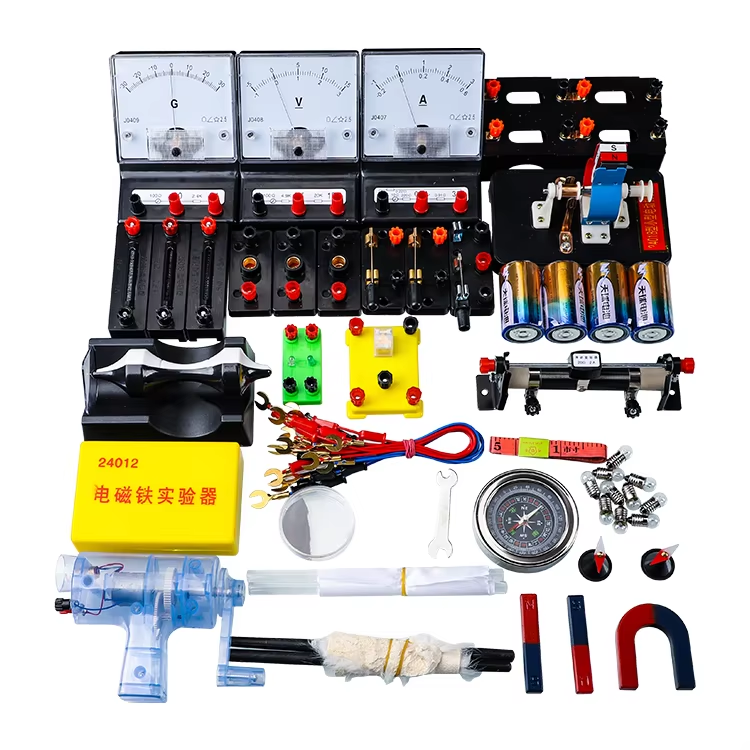
Beakers, test tubes, and flasks — these are the superheroes of the science world, the laboratory glassware rehires of the periodic table. It enables scientists to conduct not only important experimental work but also research. We will step into the magical world of laboratory glassware and find out what they do in science.
What is Laboratory Glassware?
Laboratory glass equipment are various types of glass holders they use in their experiments. Our containers are built with durable, heat and chemical resistant glass. They are also strong enough to not shatter with all the different liquids they can hold.
Common Types of Glassware Used in Experiments
Laboratory glassware is available in several different types but beakers, test tubes, flasks, and pipettes are the most common types of laboratory glassware used. Beakers are large cups that scientists use to mix or heat liquids. Test tubes are thin tubes that hold small amounts of liquid for use in experiments. Flasks are circular containers used to combine chemicals. Pipettes are small instruments, kind of like miniature straws, that scientists use to pick up small volumes of fluid and transfer from place to place.
Laboratory Glassware in Action
But every piece of laboratory glassware has a very special job for scientists to do their experiments. For instance, beakers are useful for measuring and mixing liquids, whereas test tubes are ideal for observing chemical reactions. Flasks are great for containing chemicals or preparing solutions to mix together, while pipettes allow scientists to gently move around small volumes of liquid.
Why Does Choosing the Right Glassware Matter?
Sure, different kinds of laboratory glassware can influence how a scientific experiment turns out; Using the appropriate glassware can help provide accurate results while also preventing any accidents. It may be exactly why scientists need the right glassware for each experiment. Scientists can ensure accuracy and safety of their results and experiments when they use the proper glassware.
Proper Handling of Laboratory Equipment
Sponsored content for you To maintain Educational Kit laboratory glassware effectively, scientists must care for it properly. This includes rinsing the glassware with the correct cleaning solution, drying it thoroughly, and keeping it in a safe place. You should also make sure there are no cracks or chips before putting it to use, because damaged glassware can be dangerous. This can ensure people have long-lasting and high-quality glassware for scientific experiments provided they follow through on these steps.
Conclusion
To sum up, laboratory glassware plays a pivotal role in scientific research. These classifications allow scientists to select the appropriate tools for their experiments, and thus ensure accurate experiments. By maintaining their glassware, scientists can keep their utensils in top shape and conduct clean and successful experiments. So next time you see a beaker or test tube, just remember they are special tools in the science world!