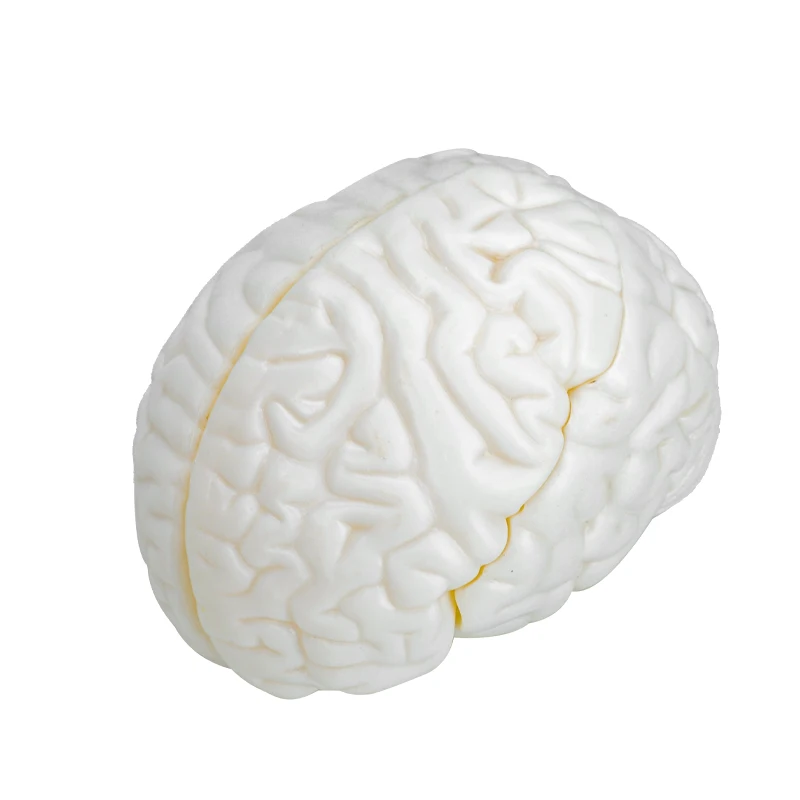
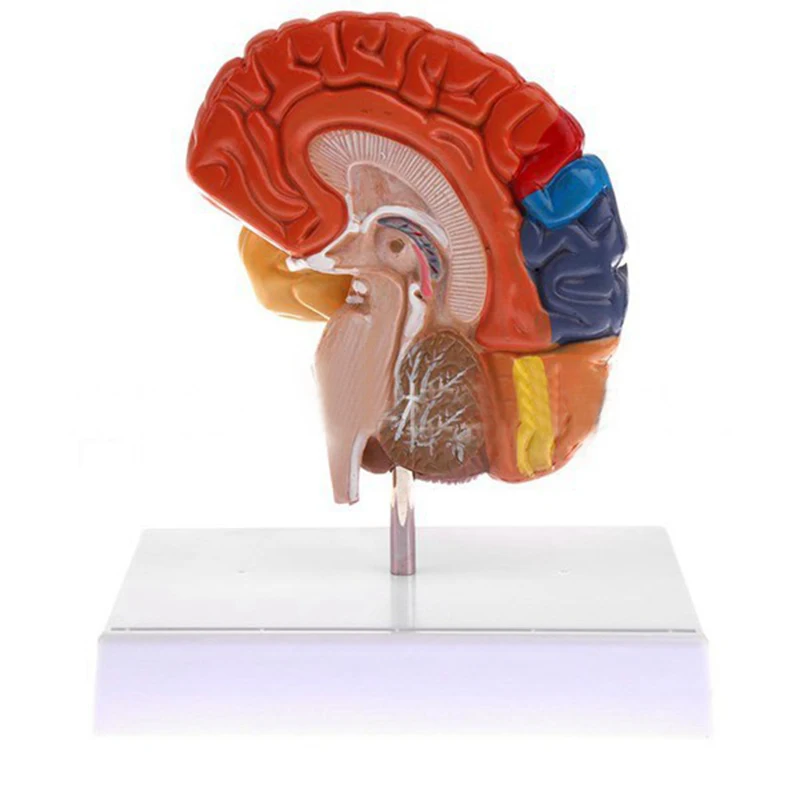
The human brain is an incredibly complex organ that processes every thought, emotion, and action we make. Medical students need to know the details of how such a complex systems that is the brain function. One of the new apparatuses to help students learn about the brain in a more enjoyable and interactive way is the anatomy models 3d from Maihun which, combined with the technology provides exceptional tools
This dynamic 3D model is a tool that aids medical students allowing them to visually explore the brain in three dimensions. Long gone are the days staring at dead, flat photographs in a textbook as students can now manipulate the brain to rotate and zoom in, cut parts away and see how things connect. The act of constructing gives them an opportunity to get their hands on learning the brain; a structure they can only visualize from textbooks and drawings, helping them better remember and apply information in their studies.
The brain, known to be the control center of the body where it processes all of the information and gives signals to rest of the body. The medical models from Maihun allows the students to understand how various brain regions are responsible for tasks such as movement, memory, emotions. Seeing these connections in 3D means that students can gain an understanding of the fact that our brains are a very complicated place and seeing this gives them a sense of why different regions of their brain may drive particular behaviors or thoughts
The 3D brain model allow students to manipulate the model on a computer or tablet so that they can explore the brain from different angles and perspectives, which in turn helps them understand complex ideas. This approach of learning by doing and getting involved allows the students to engage with their brain and its function actively and critically, thereby facilitating a better understanding.
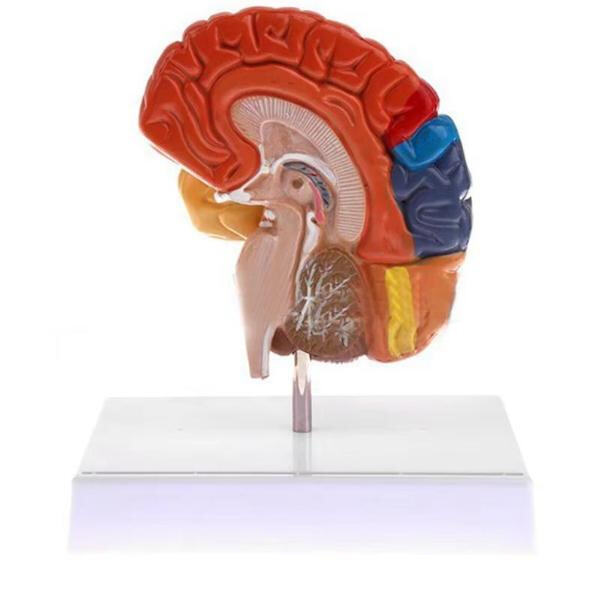
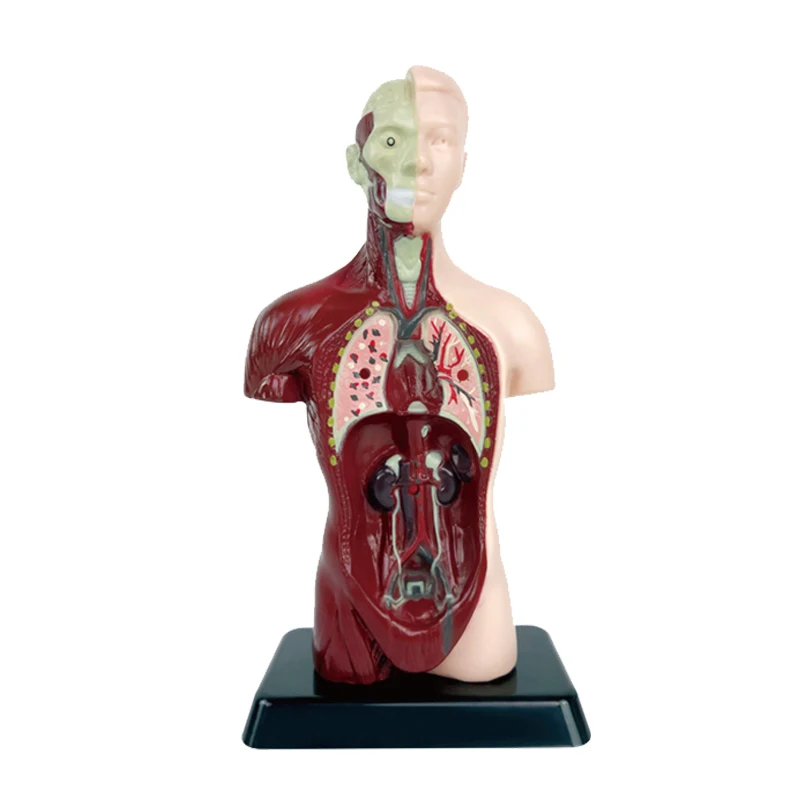
Medical education is an ever-changing industry, introducing new technologies and aides to help students learn better. One of the many tools that are changing neuroscience research is a human body organs model from Maihun. Using actual simulations of the brain allows students to feel what it will be like to handle living brain tissue without having a physical sample. This not only saves time and resources, but also gives students the opportunity to practice their safety training in a safe environment.
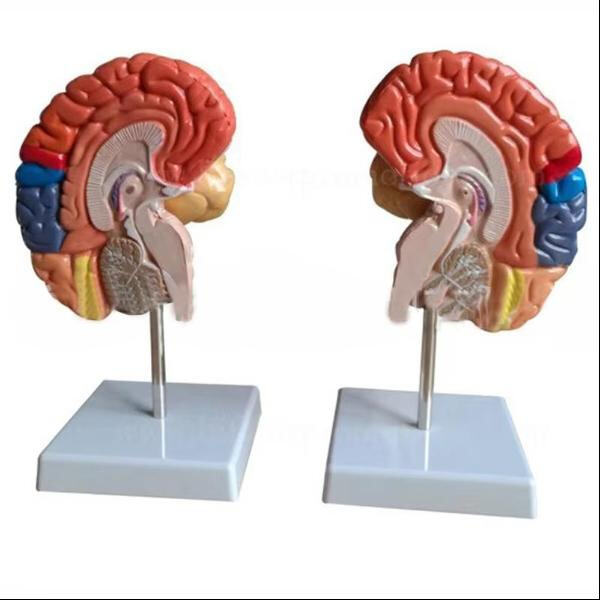
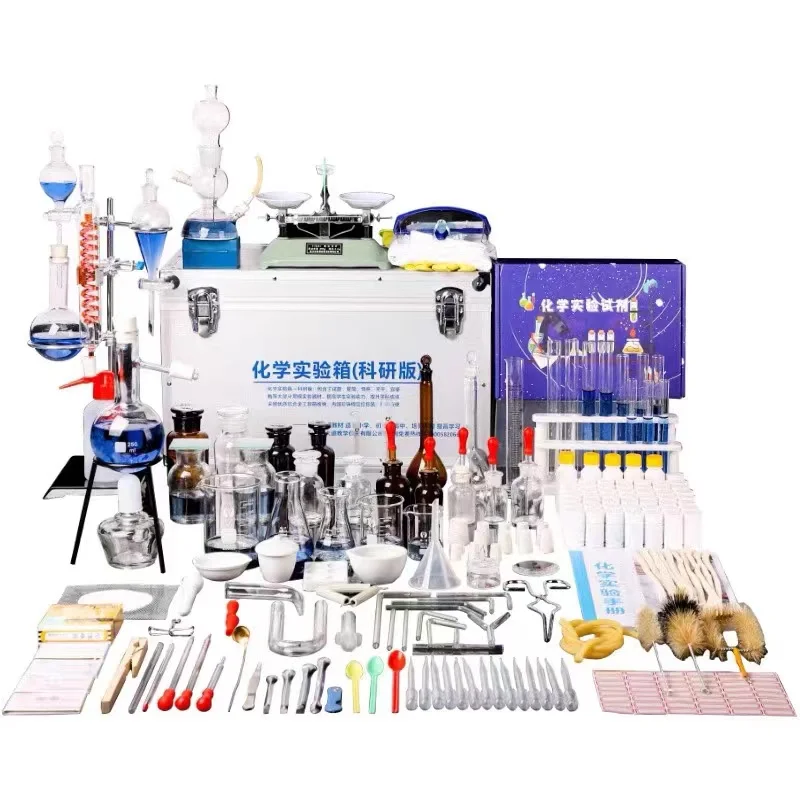
Unlike traditional cadaver-based learning, this 3d brain model allow repeated practice without risk to patients, facilitate the exploration of rare neurological conditions, and provide instant feedback to accelerate learning. As a result, medical institutions are increasingly adopting brain simulations to enhance diagnostic accuracy, surgical precision, and overall competence in neuroscience-related fields. Check out Maihun's laboratory equipment today!
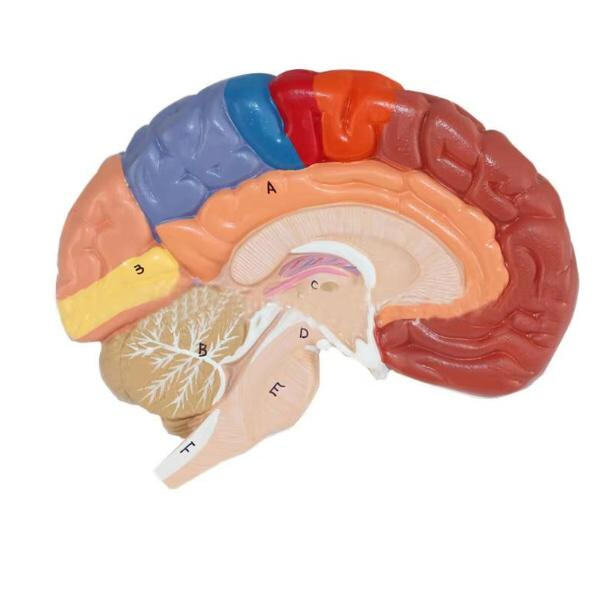
The study of neuroscience can be as challenging because students learn complex theories and principles before using them appropriately in a clinical environment. This is where the 3D brain model comes into play- using Maihun's Teaching models in a virtual environment students can interact and visualise their learning. These type of simulations tie theory to actual practice in a way that shows students the live brain activities using tools that make it able for them to map what they learn with what they will come across once they are out there practicing. Learning by doing ensures that the students not only retain this information better but are also taught, essentially as if they were already working, in a real world setting
As a source manufacturer with 20 years of experience, we independently handle production, R&D, and global export, ensuring full quality control and reliable supply for educational equipment.
We offer a complete portfolio of science lab equipment across physics, chemistry, biology, and primary sciences, with a dedicated R&D team that provides tailored solutions for curriculum and laboratory needs.
With a team of over 20 foreign trade professionals, we export to 30+ regions including Europe, the U.S., the Middle East, Africa, and Asia, supported by fast production, efficient logistics, and timely delivery.
Our products hold ISO 9001:2015, CE certifications, and test reports. We provide full lifecycle support—from custom design and safe packaging to warranty services and post-warranty repairs—ensuring a seamless customer experience.
 EN
EN
 AR
AR
 BG
BG
 HR
HR
 CS
CS
 DA
DA
 NL
NL
 FI
FI
 FR
FR
 DE
DE
 EL
EL
 HI
HI
 IT
IT
 JA
JA
 KO
KO
 PL
PL
 PT
PT
 RO
RO
 RU
RU
 ES
ES
 TL
TL
 ID
ID
 SR
SR
 SK
SK
 SL
SL
 VI
VI
 MT
MT
 TH
TH
 TR
TR
 FA
FA
 AF
AF
 MS
MS
 GA
GA
 HY
HY
 BN
BN
 MN
MN
 SO
SO
 KK
KK
 MY
MY
 UZ
UZ