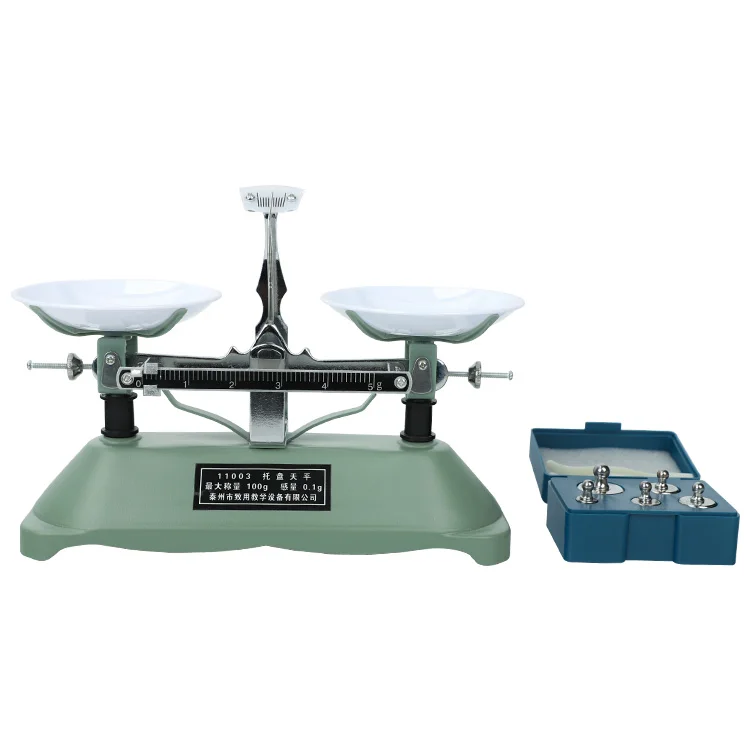
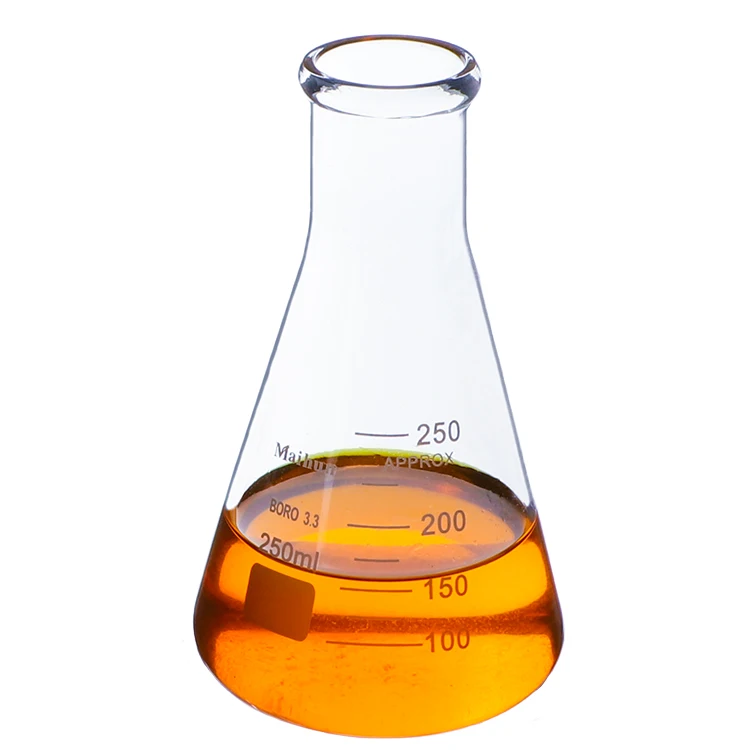
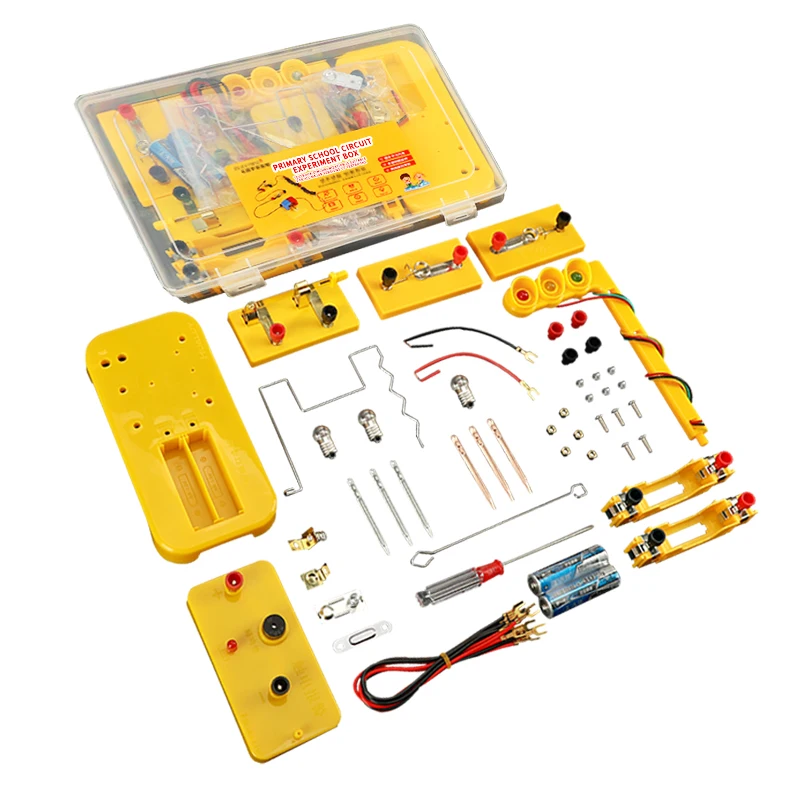
A food thermometer is an instrument used to measure the temperature of meat, poultry or any food item by sticking it into it. This is critical because it indicates whether the food has been cooked enough to be safe to eat. When meat or other foods don’t get hot enough to kill germs that can be harmful, they remain alive and are able to make people sick. A food thermometer will make you a better cook, save you from wasting food and help keep everyone safe. Maihun produces sturdy, easy-to-use food thermometers. These Digital Food Thermometer helps chefs and stores and factories make sure food is good and healthy for customers. Though it may sound simple, a decent food thermometer has the potential to transform the way you cook on a daily basis.
It’s really important to use a food thermometer to ensure that food is safe to eat. Sometimes, though, people develop problems when using them. It’s a question of getting the thermometer in the right place, for one thing. For instance, if you take the temperature near the edge of a piece of meat, it may not be accurate. The middle of the meat is generally the warmest spot, so that’s where you’ll want to stick your Digital Food Thermometer. Another issue is failing to wipe down the thermometer between uses. If you don’t clean it, germs may remain on the thermometer and contaminate food. The Maihun food thermometer is easy to clean so you don’t need another tool to keep your food safe; simply wash the thermometer with warm, soapy water after each use.

Sometimes a person simply doesn’t wait long enough for the thermometer to indicate the proper temperature. Remove the thermometer too soon, and you might take an inaccurate reading. The thermometers are also supposed to be quick and precise as with all of these, you’ll need to leave it for a few seconds until the number stops moving. Another problem is that we are using a food thermometer incorrectly. If a medical models like thermometer is malfunctioning or has low batteries, the temperature could be off. Before you cook check your Maihun thermometer, sinking it in ice water. If it registers at 32°F (0°C), then things are going just fine. If not, then you need to repair it or replace it.

Yes, food in restaurants and other places that serve it should be cooked and kept at the proper temperatures. This is absolutely critical for quality and safety. Food thermometers allow staff to check the temperature of food and ensure it is safe to eat. A poor thermometer could lead to undercooked food, or food that’s been allowed to sit around too long and potentially harboring dangerous germs. The food thermometers and 3d printed anatomy models ensure food worker are meeting food code requirements, including date marking which aids in instances of food borne illness. This makes food less likely to be spoiled or make someone sick.

Quality control is the effort to ensure that food is as good as it can possibly be when it reaches your plate. Food thermometers allow workers to test temperatures during cooking, holding and serving. For instance, you can use physics experiment kit like thermometers to test whether your meat is fully cooked. In other words, the food is good and safe to eat. It also keeps restaurants in compliance with rules of food safety. When you have workers who are utilizing thermometers constantly, managers can feel food is being consistently cooked. It’s a form of positive trust between customers who know they are eating safe, delicious food.
We offer a complete portfolio of science lab equipment across physics, chemistry, biology, and primary sciences, with a dedicated R&D team that provides tailored solutions for curriculum and laboratory needs.
Our products hold ISO 9001:2015, CE certifications, and test reports. We provide full lifecycle support—from custom design and safe packaging to warranty services and post-warranty repairs—ensuring a seamless customer experience.
As a source manufacturer with 20 years of experience, we independently handle production, R&D, and global export, ensuring full quality control and reliable supply for educational equipment.
With a team of over 20 foreign trade professionals, we export to 30+ regions including Europe, the U.S., the Middle East, Africa, and Asia, supported by fast production, efficient logistics, and timely delivery.
 EN
EN
 AR
AR
 BG
BG
 HR
HR
 CS
CS
 DA
DA
 NL
NL
 FI
FI
 FR
FR
 DE
DE
 EL
EL
 HI
HI
 IT
IT
 JA
JA
 KO
KO
 PL
PL
 PT
PT
 RO
RO
 RU
RU
 ES
ES
 TL
TL
 ID
ID
 SR
SR
 SK
SK
 SL
SL
 VI
VI
 MT
MT
 TH
TH
 TR
TR
 FA
FA
 AF
AF
 MS
MS
 GA
GA
 HY
HY
 BN
BN
 MN
MN
 SO
SO
 KK
KK
 MY
MY
 UZ
UZ