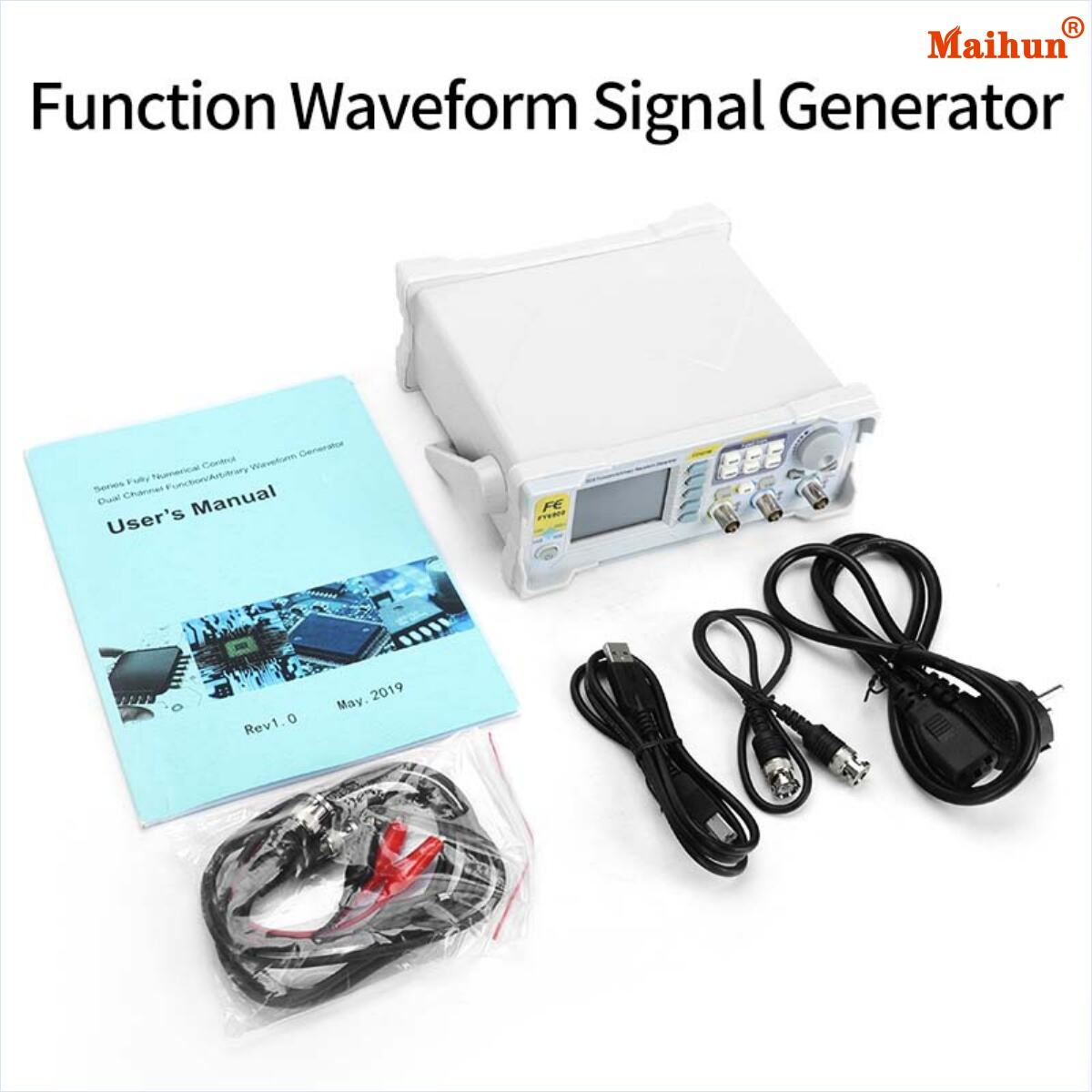
A waveform generator is an essential instrument to electric engineering. These signals will appear to look wave-like and they will take many forms. Typical waveforms are sine waves, square waves and triangle waves. This machine has a lot of amazing applications, such as in the field of science, engineering and even music. At Maihun we know how much you need good quality tools to test play around with. More detailed content: Function waveform generator 1, Reduce your test cost and save your component loss 2, It can be used in a variety of fields and its usage is very wide! It can generate signals used to test circuits or which aid in understanding sound waves. It is thus recommended for students, engineers, and hobbyists.
What is a Function Waveform Generator and How Does It Work?
A function waveform generator is an electronic test equipment to generate varying types of electrical wave forms over a wide range of frequencies. These forms can be adjusted to suit what you need to do. For instance, a sine wave is smooth and round, whereas a square wave jumps sharply between two values. You can also use triangle waves that criss-cross as they rise and fall. The generator forms these shapes by altering electrical currents. It is controlled the output by the circuits, and sometimes by digital technology. When you switch on a function Electrostatic Generator, you can change the settings such as frequency or amplitude. Frequency is how quickly the wave repeats, and amplitude is how high the wave goes.
So, for example, if you'd like to test a speaker, just set the generator to output at a sine wave signal of your choosing. One you attach the speaker to your function generator, it will generate sound of that frequency. This allows you to gauge how the speaker sounds. It is not only sound that this generator can be utilized for. It’s a common tool engineers use to test electronic circuits. They can test whether everything is working properly by pushing different waveforms through a circuit. It’s like a doctor putting an EKG machine on your heart, but for electronic devices.
We think the secret to taking full advantage of these Lab Supplies rests on knowing how they operate. Knowing about the various waveforms and what makes them unique can help you choose the right one for your project. A function waveform generator can unlock all kinds of new opportunities in your learning and beyond. If you are into electronics or sound — or if your kids are interested in those subjects, a hot wire cutter is probably the cheapest way to get into creating and modifying plastic parts and so it makes for a great family project.
However, using a function waveform generator is usually a simple task, although occasional problems arise for users. One of the usual suspects is selecting the incorrect frequency. And if the frequency is too high or low for the circuit or device you’re testing, it may not work at all. This can be confusing and time-consuming. This can be avoided by checking the specifications of the device you are testing. Ensure the waveform generator has frequency output that is within the device capability.
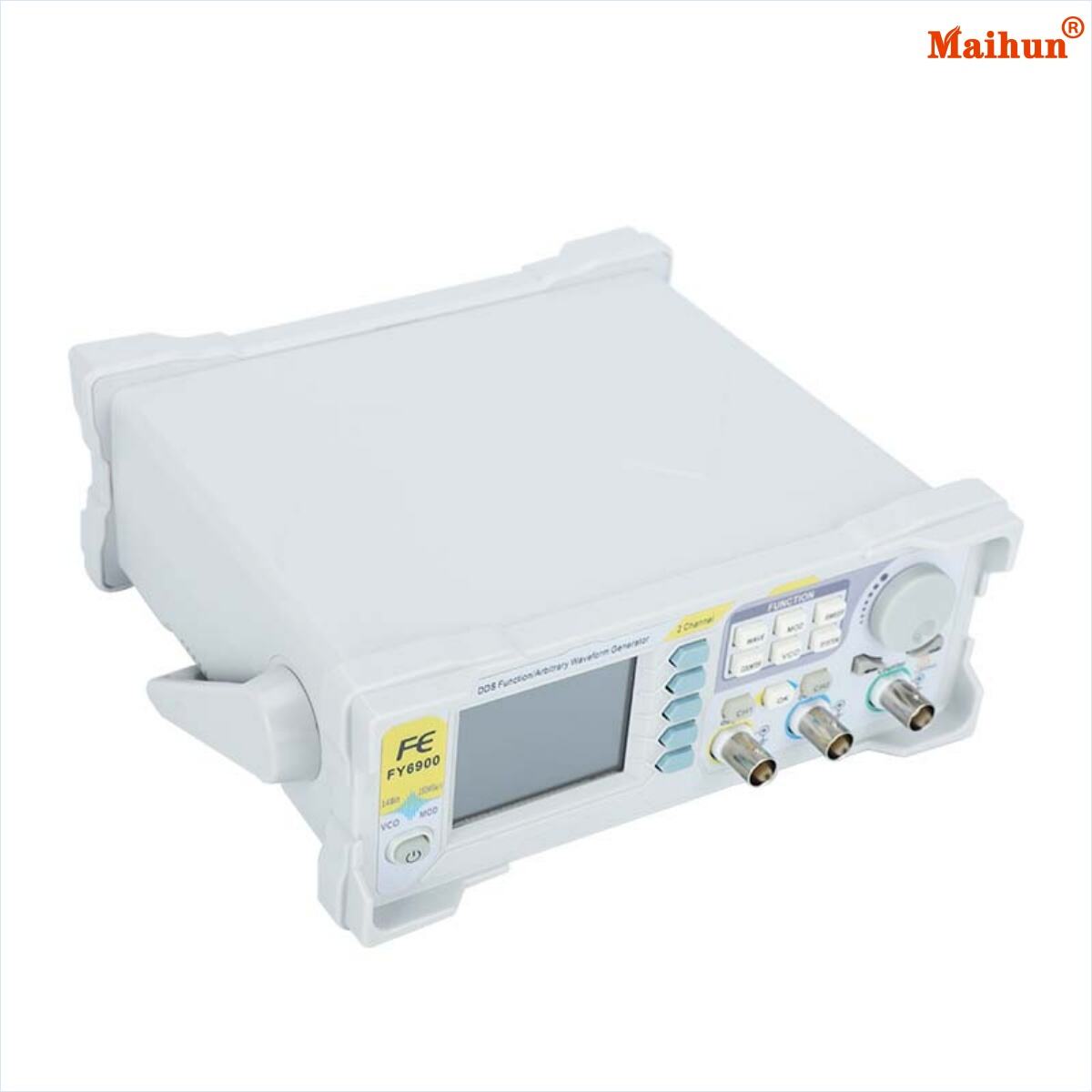
When you have a need for an excellent quality function waveform generator, there are many factors to consider. First off, you want to look for the frequency range. This gives you an idea of how quickly the generator is capable of forming waveforms. An Experimental Kit should span the entire frequency domain, from very low frequencies to very high ones. That definitely makes it easier in that you can use it on other projects without having to grab another tool. Then think about what kind of signal it’s capable of generating. A good quality function waveform generator can generate various shapes such as sine, square, triangular and sawtooth. Each one serves a purpose, so having a variety to choose from is definitely a bonus. Another thing to eyeball is the resolution. That is, the accuracy with which the generator can generate a signal. Higher resolution means cleaner looking and more accurate waveforms, which is useful whether you find yourself testing your projects or experimenting. Output features are also something to consider. A good generator has at least two output channels and can therefore produce two different signals simultaneously. This is particularly handy for a more complex project or testing multiple devices. Also look for whether it offers modulation. Modulation allows you to make the wave shape vary over time, which is really useful for mimicking real world signals. Finally, consider user-friendly controls and a clear display. This makes it easier to arrange and read your waveforms. Here at Maihun, we concentrate on offering generators which comes with these essential features to aid you in your tasks.
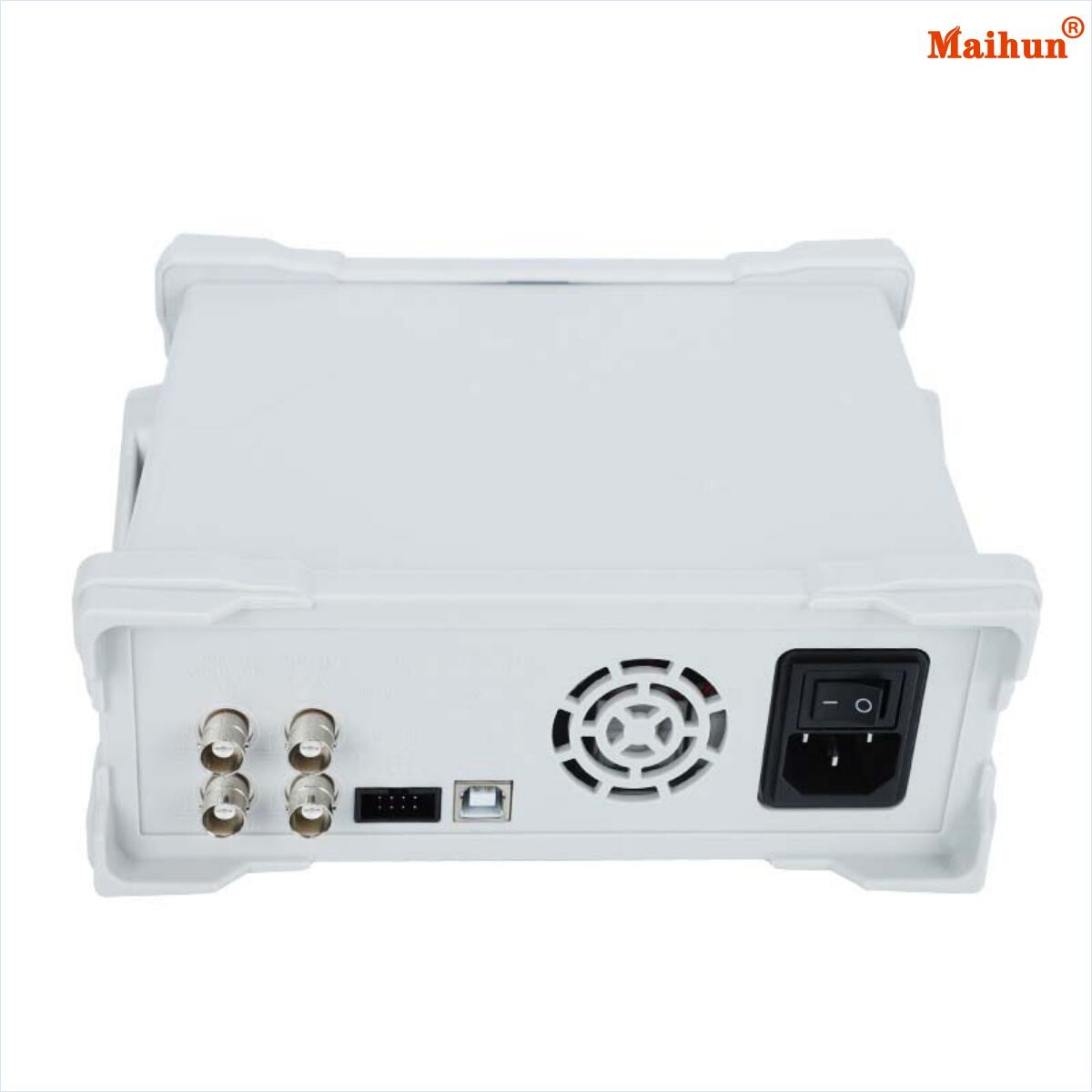
Here are a few tips to get the most from your function waveform generator. First, as trite as it sounds, there’s never any harm in reading the manual that comes with the device. It’s a piece that includes relevant info on how to operate the generator efficiently. Make sure it is clear how to adjust frequency, amplitude and other settings. This will save you from committing mistakes and to get the optimum results. Another method to increase the performance is to make an attempt with various waveforms. Try using sine waves for audio signals and square waves for digital. Every type of wave has its own capabilities and playbook to explore, too, so experiment to find your groove. You must also take into consideration the capacity of the load that being powered by the generator. The load is what the generator is driving, such as a speaker or circuit. Note that inadequate load matching to the generator, for instance can result in a bad performance of the device or damage it. Be sure the settings work for your load. Also, maintain your generator clean and in working condition. It can be degraded by dust and dirt. Inspect the cables and connections regularly to ensure everything is secure. Finally, if you’re not 100% about something, ask for help. Maihun team always here for help you when you need us. Use these tips to maximize your use of your waveform generator.
With a team of over 20 foreign trade professionals, we export to 30+ regions including Europe, the U.S., the Middle East, Africa, and Asia, supported by fast production, efficient logistics, and timely delivery.
As a source manufacturer with 20 years of experience, we independently handle production, R&D, and global export, ensuring full quality control and reliable supply for educational equipment.
We offer a complete portfolio of science lab equipment across physics, chemistry, biology, and primary sciences, with a dedicated R&D team that provides tailored solutions for curriculum and laboratory needs.
Our products hold ISO 9001:2015, CE certifications, and test reports. We provide full lifecycle support—from custom design and safe packaging to warranty services and post-warranty repairs—ensuring a seamless customer experience.
 EN
EN
 AR
AR
 BG
BG
 HR
HR
 CS
CS
 DA
DA
 NL
NL
 FI
FI
 FR
FR
 DE
DE
 EL
EL
 HI
HI
 IT
IT
 JA
JA
 KO
KO
 PL
PL
 PT
PT
 RO
RO
 RU
RU
 ES
ES
 TL
TL
 ID
ID
 SR
SR
 SK
SK
 SL
SL
 VI
VI
 MT
MT
 TH
TH
 TR
TR
 FA
FA
 AF
AF
 MS
MS
 GA
GA
 HY
HY
 BN
BN
 MN
MN
 SO
SO
 KK
KK
 MY
MY
 UZ
UZ