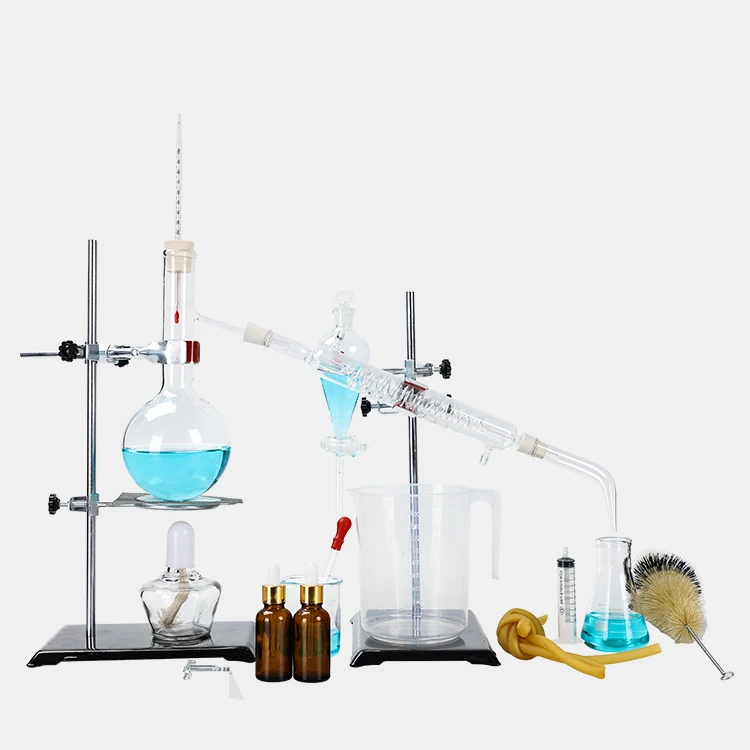
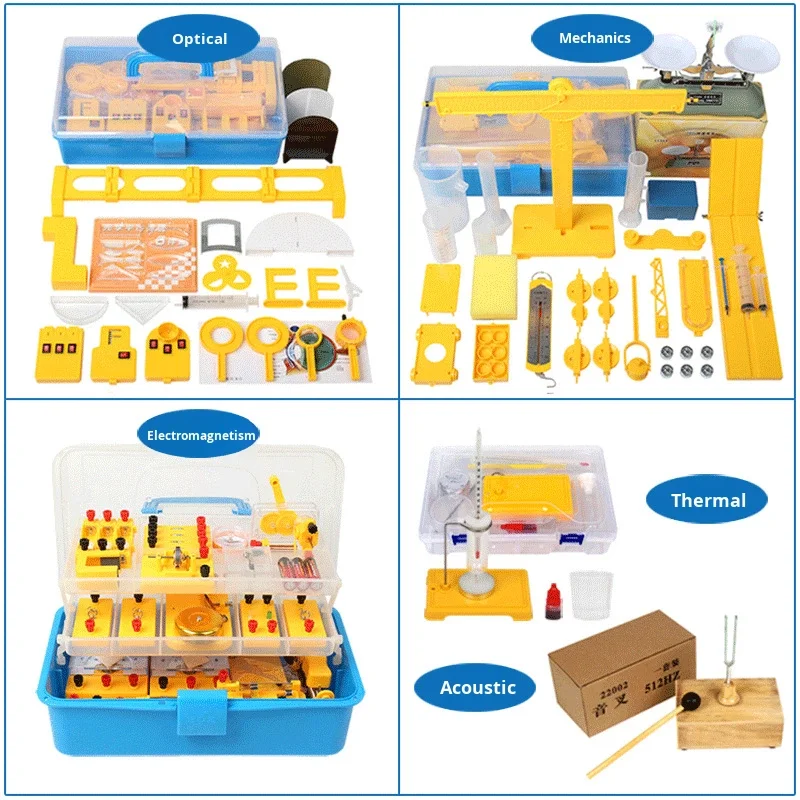
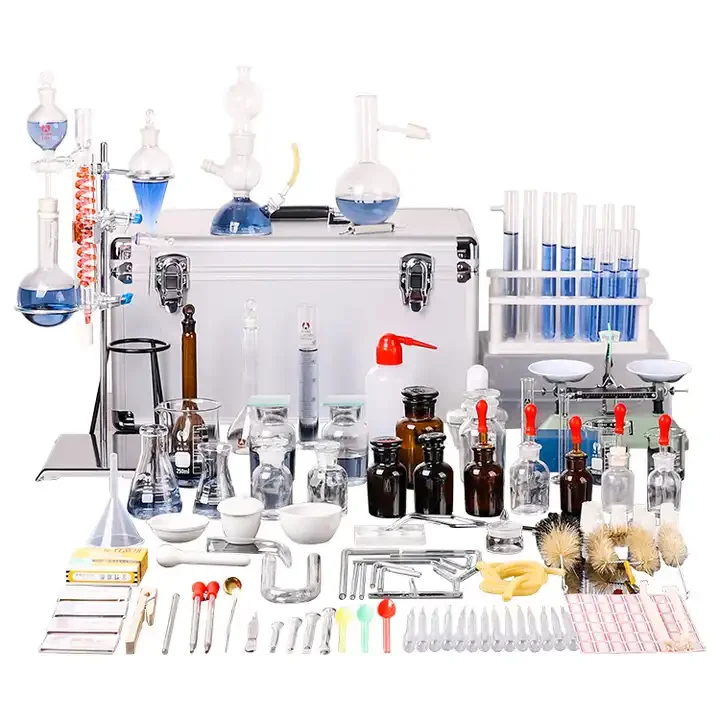
It is extremely important for scientists and students. It aids them in performing experiments and learning why different things work. So, in today’s post, we will explore all about some of the most common types of chemical lab equipment and their uses. Let's explore together physics experiment kit
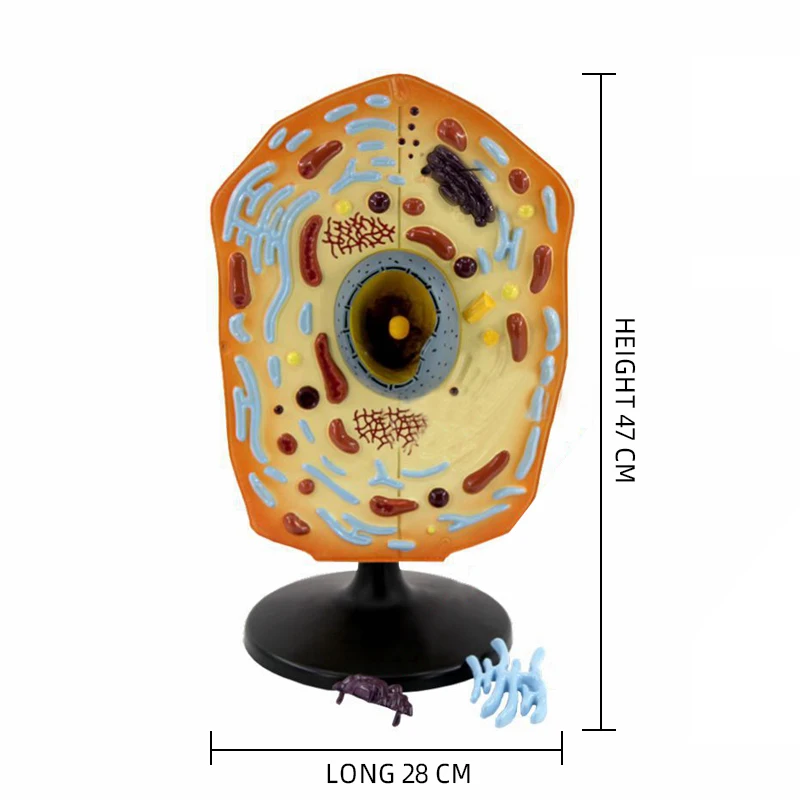
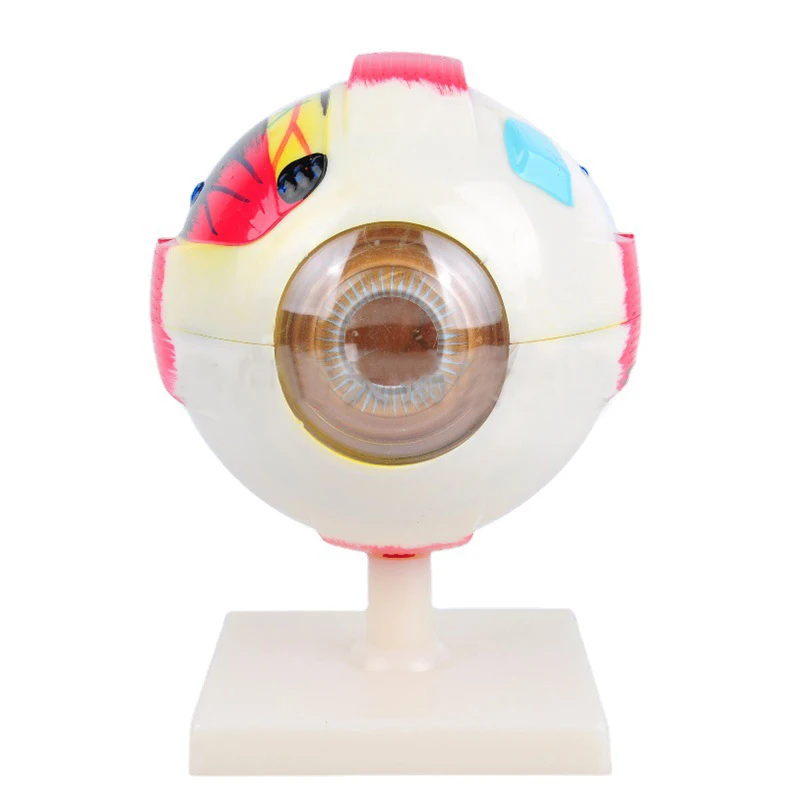
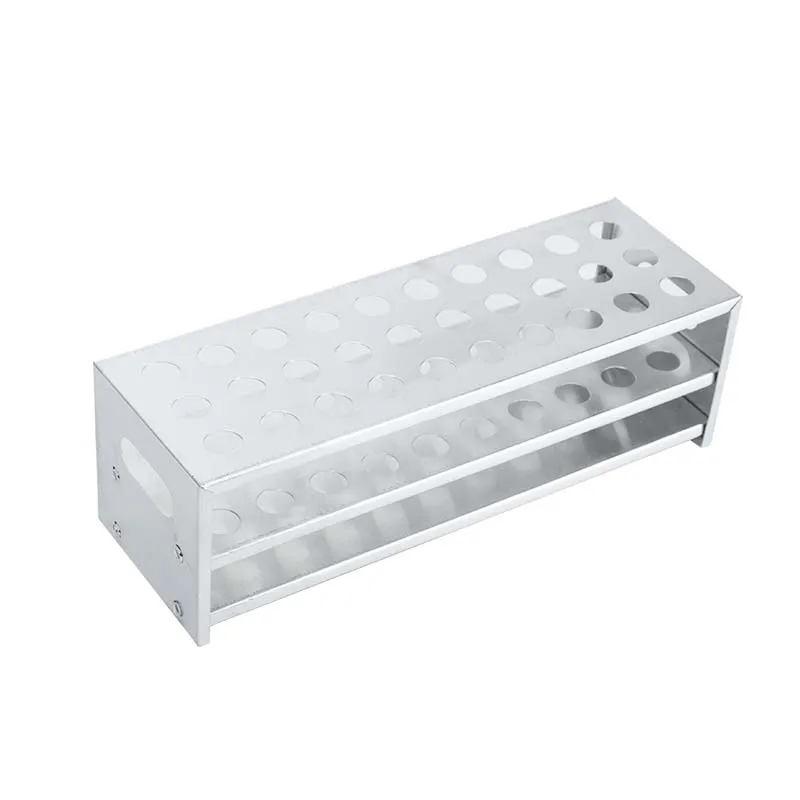
Chemical lab on the other hand is not without its array of dazzling machines, from hand-cranked decanters, to century-old spectrometers and plastic tape dispensers. Test tubes, beakers and flasks hold liquids and combine substances together. Bunsen burners and hot plates warm chemicals. Pipettes and droppers can help move small amounts of liquids. A chemical lab has many other instruments too, and each has its own particular job to do Human model
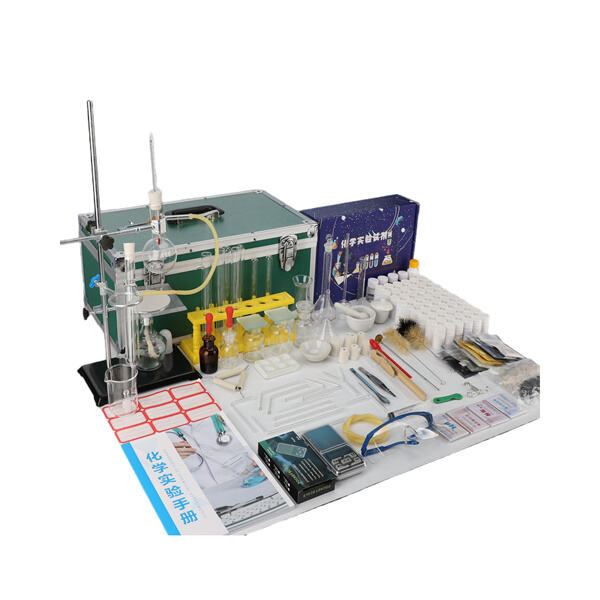
Chemical lab equipment allows for conducting water quality testing and other aspects of scientific work. It would be difficult to measure and mix chemicals precisely without the right tools. By having the right equipment, scientists can ensure that their experiments are trustworthy and their results are accurate Teaching models
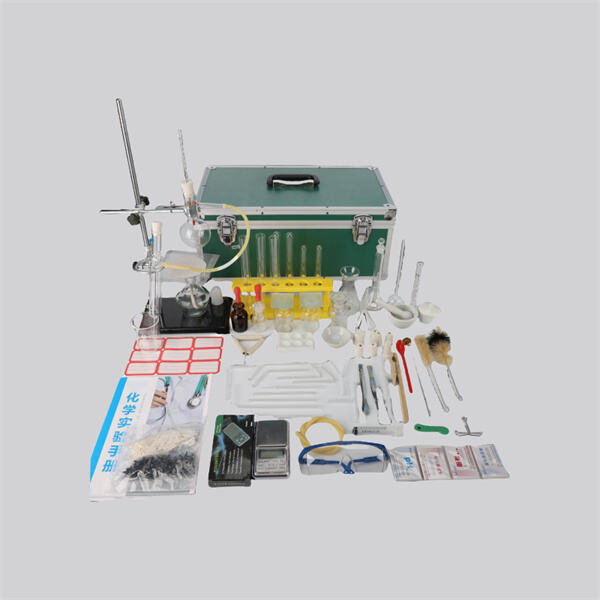
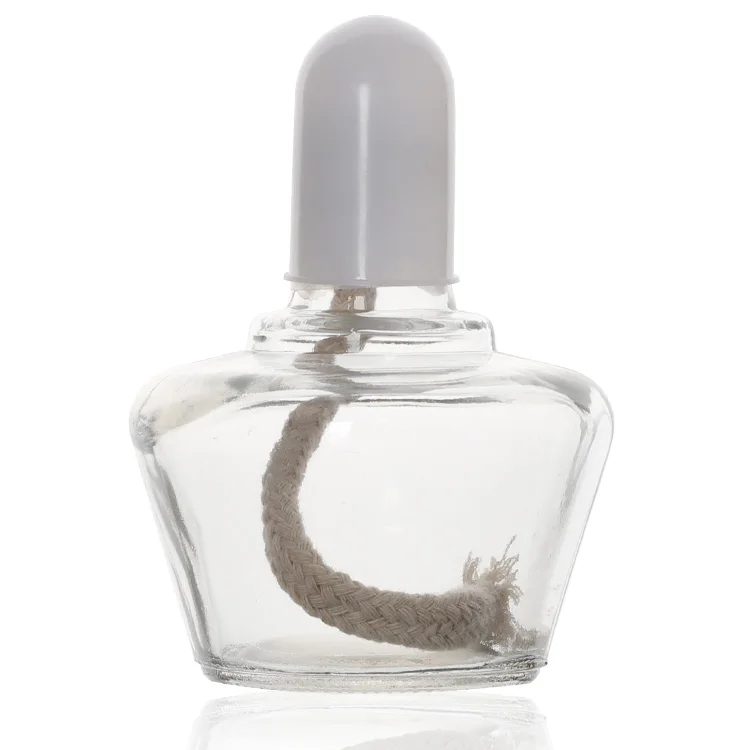
If you are arranging for a chemicals lab, then there are certain things that you should be prepared with, all your basic equipment. We're talking beakers, test tubes, flasks, and stirring rods. Safety gadgetry such as goggles and gloves should also be on hand to keep everyone safe. You need Bunsen burners and hot plates for heating chemicals and pipettes and droppers for exact measuring. With these basics, scientists and students can conduct experiments safely and with good results.
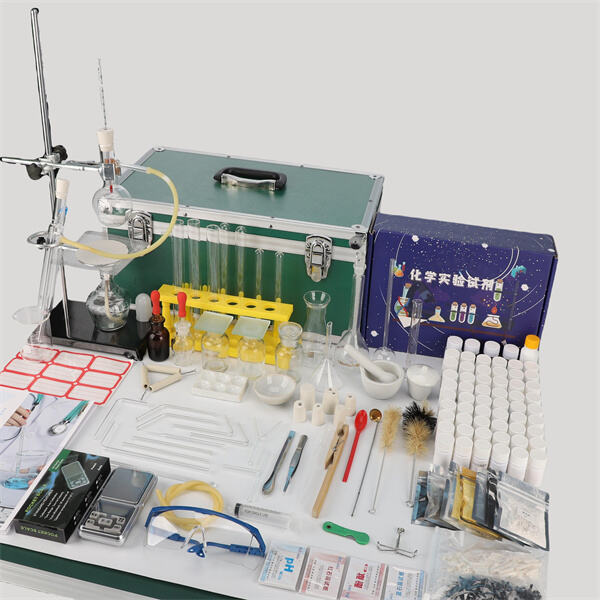
And as technology advances, so too does chemical lab equipment. Today, scientists and students have many new tools. Precision scales and pH meters provide precise results for use in experiments. Robotic arms and automated pipettes can assist with repetitive tasks. Lab-on-a-chip devices make it possible to run easy, fast, and miniaturized experiments. These new tools are making research easier and more precise.
We offer a complete portfolio of science lab equipment across physics, chemistry, biology, and primary sciences, with a dedicated R&D team that provides tailored solutions for curriculum and laboratory needs.
With a team of over 20 foreign trade professionals, we export to 30+ regions including Europe, the U.S., the Middle East, Africa, and Asia, supported by fast production, efficient logistics, and timely delivery.
Our products hold ISO 9001:2015, CE certifications, and test reports. We provide full lifecycle support—from custom design and safe packaging to warranty services and post-warranty repairs—ensuring a seamless customer experience.
As a source manufacturer with 20 years of experience, we independently handle production, R&D, and global export, ensuring full quality control and reliable supply for educational equipment.
 EN
EN
 AR
AR
 BG
BG
 HR
HR
 CS
CS
 DA
DA
 NL
NL
 FI
FI
 FR
FR
 DE
DE
 EL
EL
 HI
HI
 IT
IT
 JA
JA
 KO
KO
 PL
PL
 PT
PT
 RO
RO
 RU
RU
 ES
ES
 TL
TL
 ID
ID
 SR
SR
 SK
SK
 SL
SL
 VI
VI
 MT
MT
 TH
TH
 TR
TR
 FA
FA
 AF
AF
 MS
MS
 GA
GA
 HY
HY
 BN
BN
 MN
MN
 SO
SO
 KK
KK
 MY
MY
 UZ
UZ