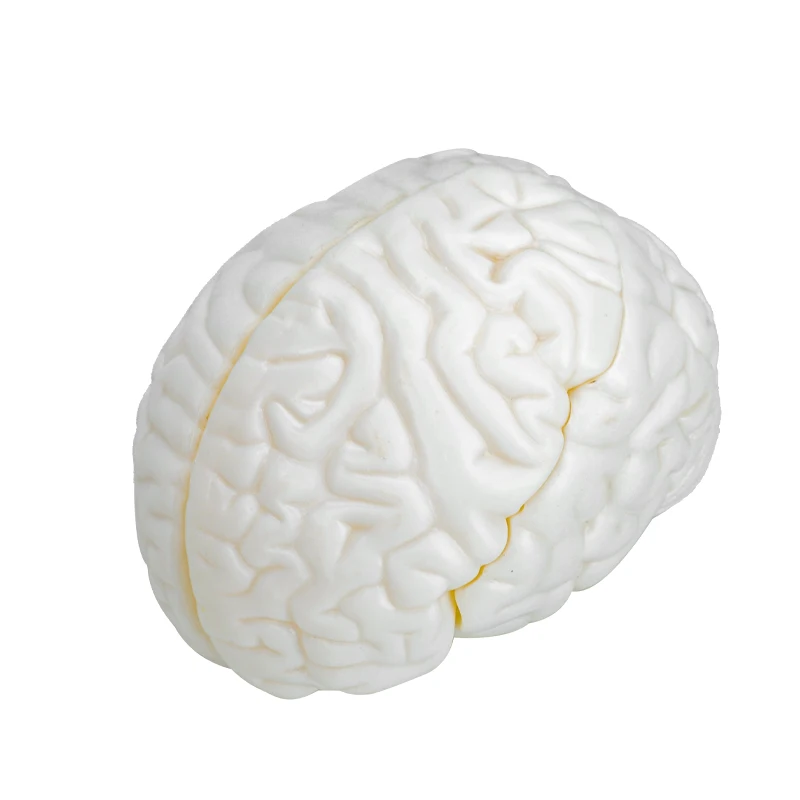
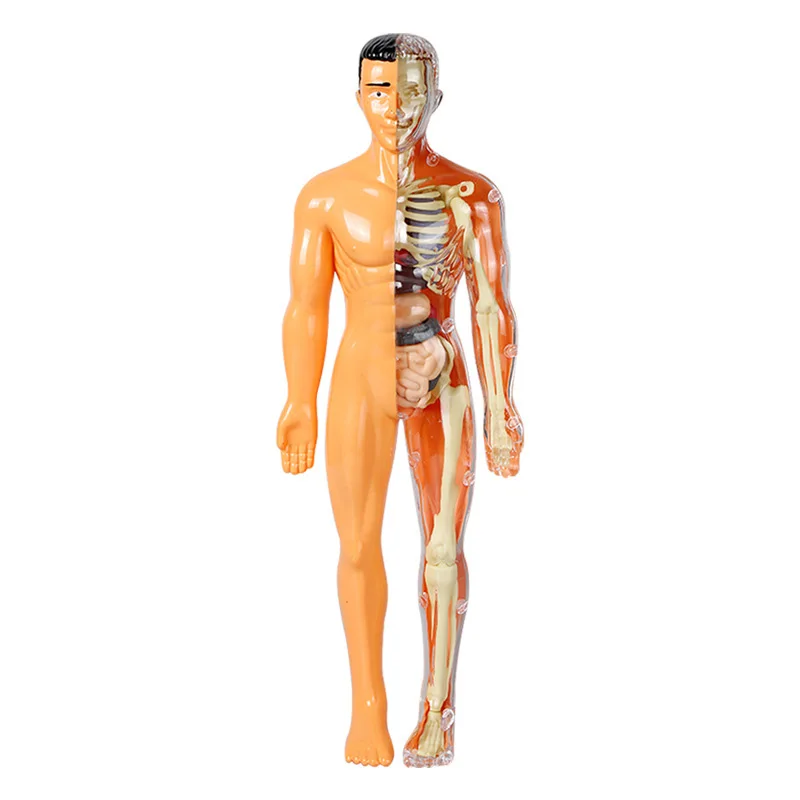
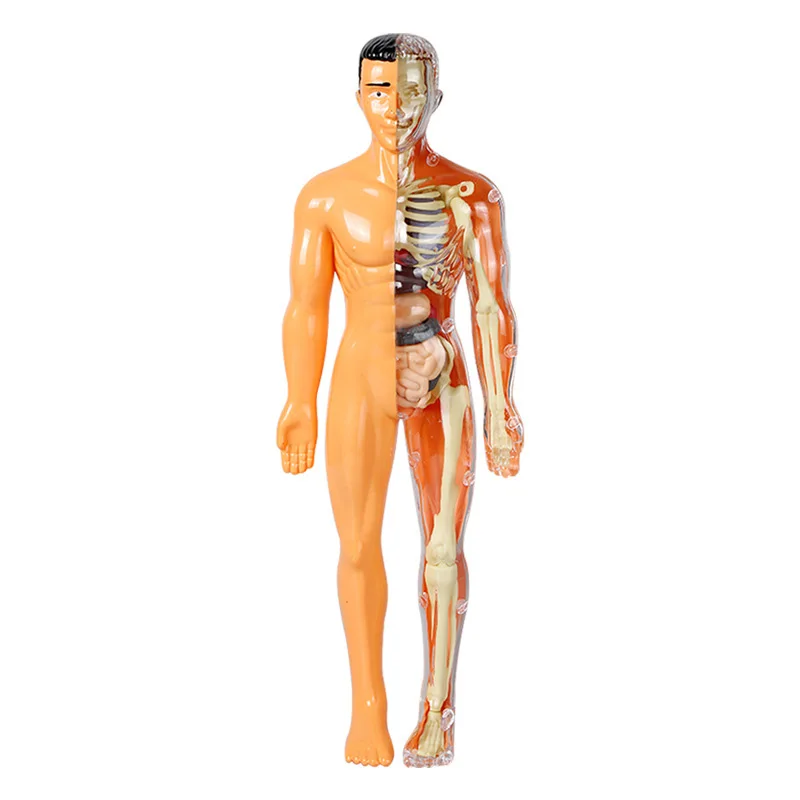
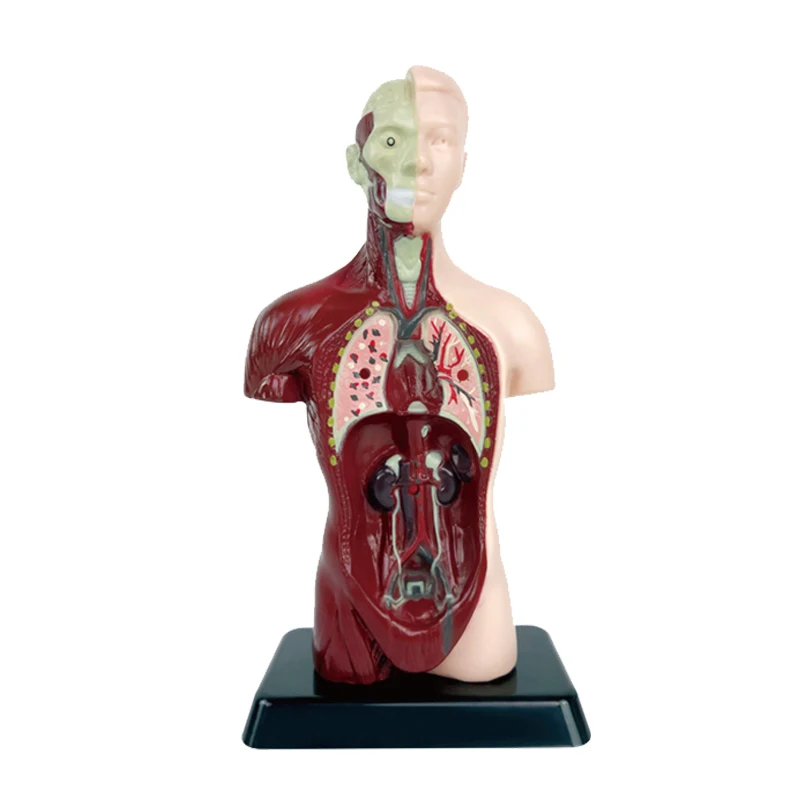
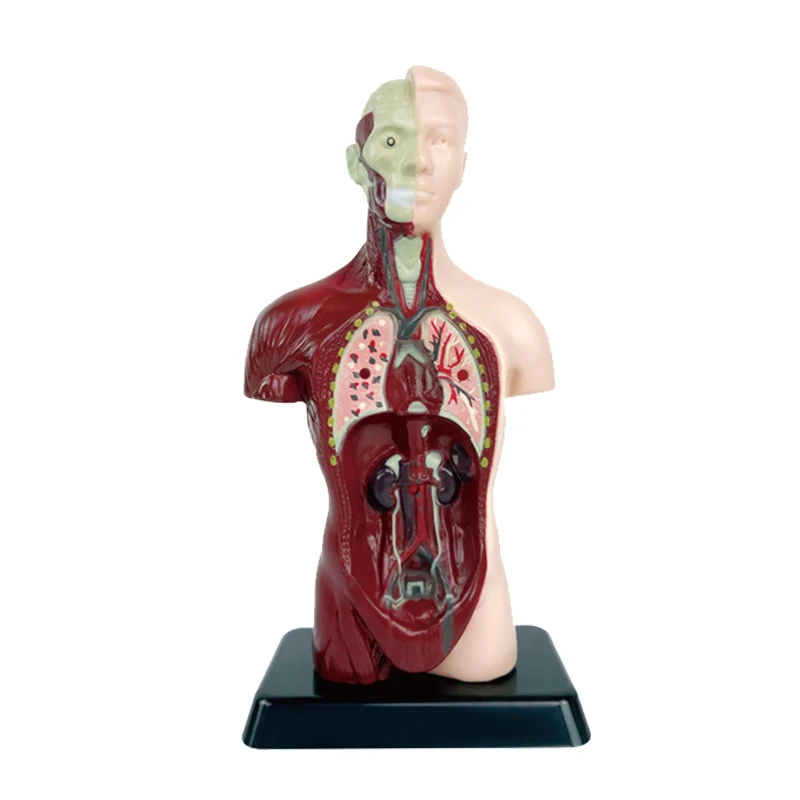
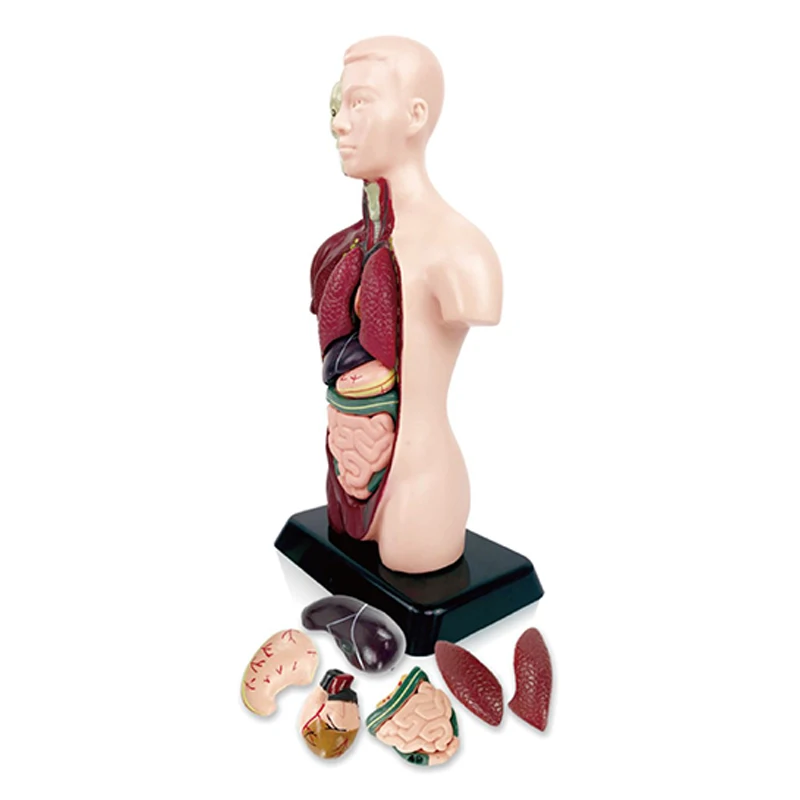
When examining plants fallen leaves are also extremely important. They are what helps the grow to create food by a procedure called photosynthesis. Anatomy of a Leaf Model A leaf anatomy model can help trainees to understand what is happening in fallen leaves. It shows the various elements of a leaf, such as the blade, capillaries and stomata, in easier-to-see and -touch ways. This model can be utilized in the class to instruct trainees on biology. An anatomy models 3d is a great means to make learning interesting and enjoyable. For teachers, a good model can help make lessons more engaging and memorable.
If you need a leaf anatomy model for your class, think about what works. First, consider the ages of your trainees. For more youthful children, you could go for a brilliant and basic model. Older children may need a more detailed variation that can portray the elaborate components of a leaf. Look for an easy-to-handle model. The more trainees can touch and move the components, the better they'll learn. Also, ensure the model is constructed from safe products. It should be durable and withstand great deals of courses. Key features such as the follicle, skin and mesophyll should show up in a great model. Some models also consist of how fallen leaves range plants, which can be incredibly engaging for trainees. Finally, consider how a lot time you have for your sessions. Select a model you can suit your lesson plans, which way you can have maximum use and access to it.

If you're interested in purchasing leaf anatomy models wholesale, you will not fail with Maihun. We have a broad choice of top quality models at the very best prices available. The next time you're shopping for models, inspect out providers that have a great name. You probably want self-confidence that you are obtaining items that are durable, on-target and not selling anything. Models can be found online, in academic provide stores and in some scientific research fairs. Take a look at item reviews of previous users and speak with various other instructors about their experiences. That will help you discover more sensible choices. Another suggestion is to choose a model with lesson plans or teaching overviews. This could conserve you time and enable you to instruct better. When you buy from our brand name, you can trust that the item is the finest it can be. With these 3d printed anatomy models, you can really make your plant study fun and memorable for your kids.
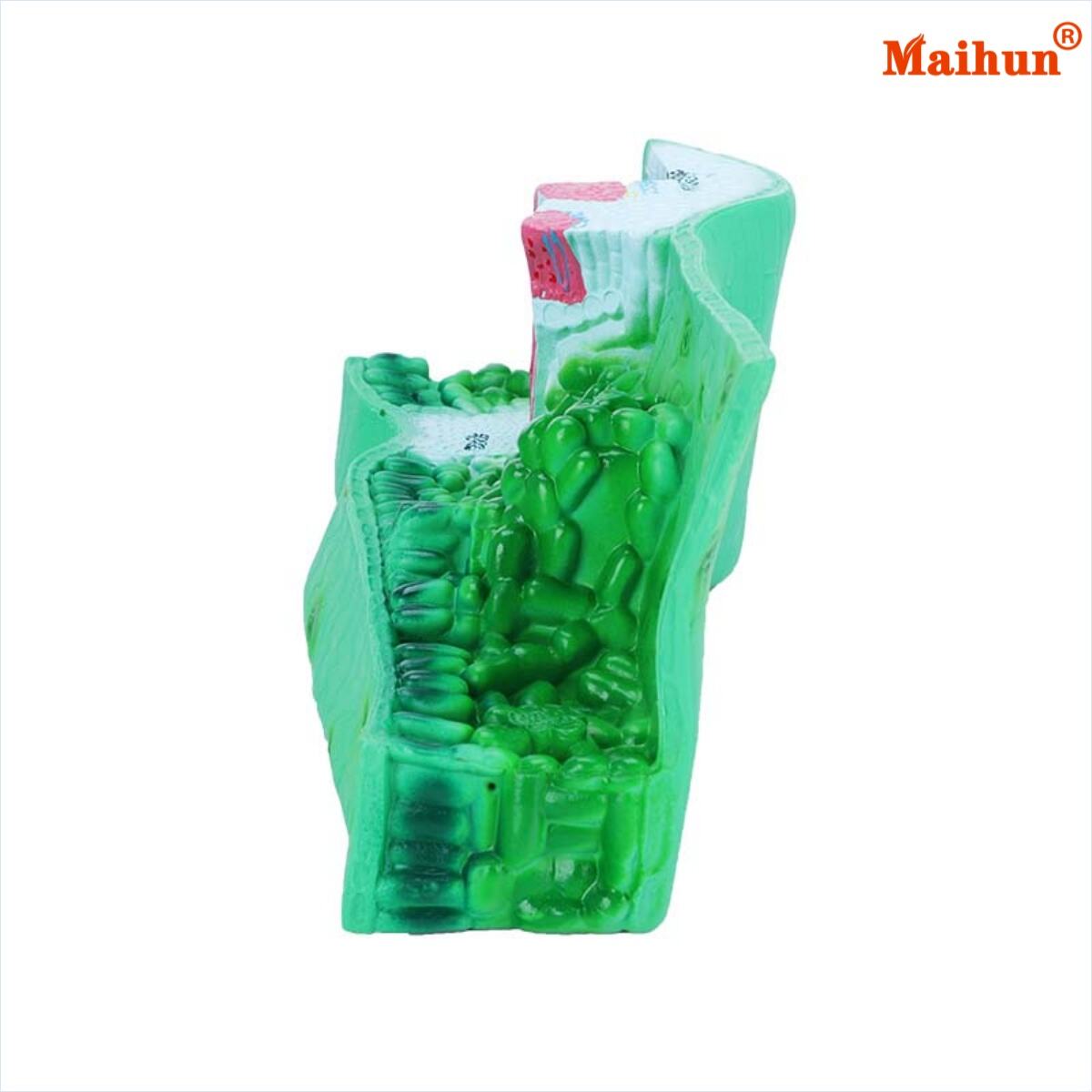
Leaf anatomy models are unique devices that can help trainees imagine the elements of a leaf and discuss how they function. These models display various layers and frameworks of a leaf in an easy to view and touch discussion. Trainees can see from the model's top layer of skin, the skin, to its center layer where photosynthesis occurs to capillaries that carry sprinkle and nutrients. For circumstances, the anatomy models of Maihun's fallen leaves are available in vivid shades with easily understandable tags so that learning becomes an enjoyable and interesting experience. Using these models, trainees can learn how fallen leaves take in sunshine and co2 to produce food. This process is known as photosynthesis, and all plants do it. When trainees can see and touch the models, they remember the material more. They can let questions about what they observe lead to what they gain from classmates and instructors. This hands-on finding out about biology and anatomy is enjoyable! Instead compared to simply reading an area on fallen leaves in a book, trainees might investigate how plants expand and adjust to flourish in nature. When children witness how various areas of the leaf are collaborating, they can connect this monitoring conceptually to various other locations in scientific research — such as how pets depend on plants for food. Examining with leaf anatomy models also prepares trainees for future scientific research courses. They develop a knowledge-base that can be easily used to harder subjects in the future. Generally, leaf anatomy models are remarkable sources to find out about plants in an enjoyable and engaging way.
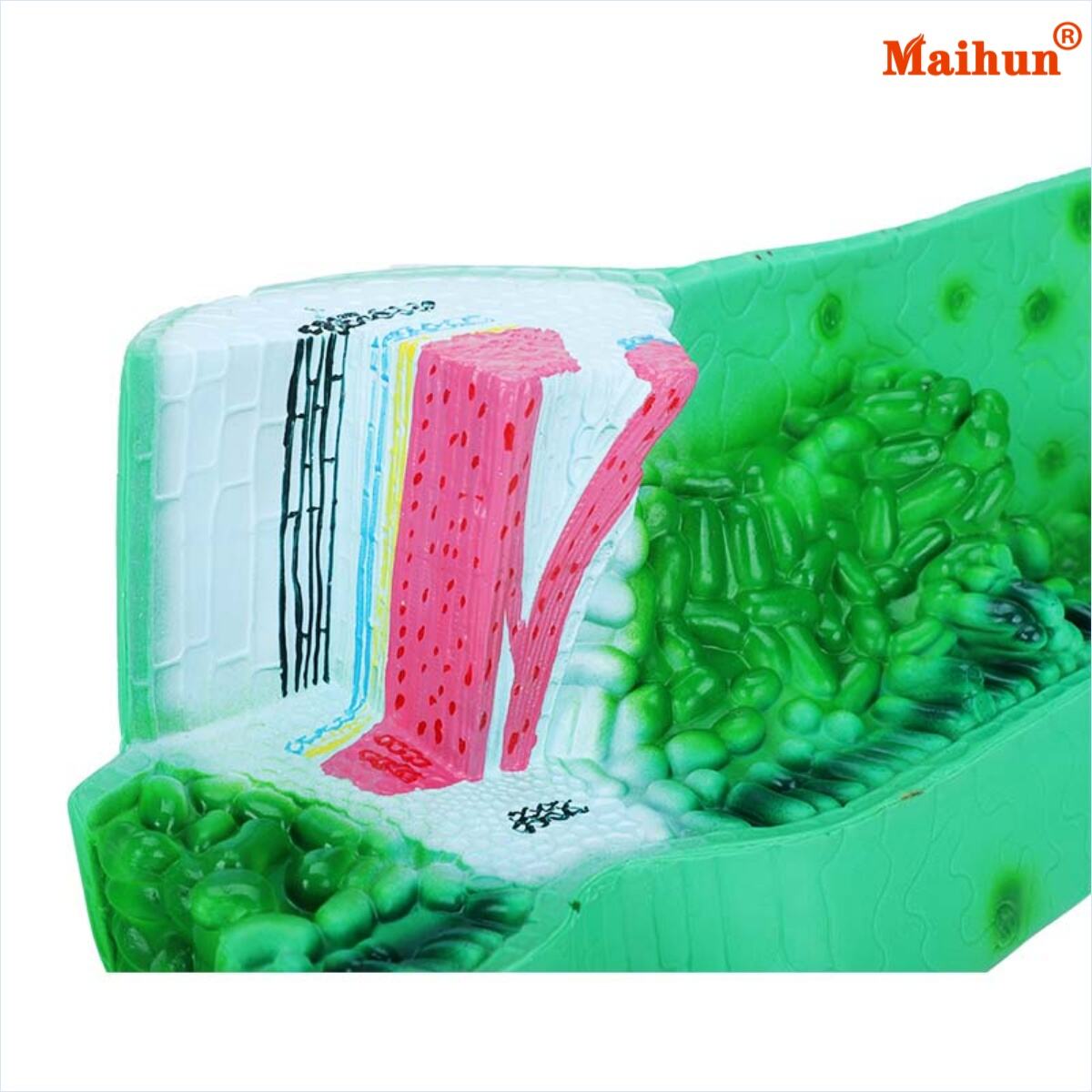
Although leaf anatomy 3D models are great to learn, there are some problems you might face while teaching with them. One problem is that some models may not be interpretable. If the tags are too tiny or the color choices are difficult, trainees may be transformed about about what section is which. Maihun's items have to do with clear and simple design, but not all models are produced equally. Another issue is that not all instructors are proficient at using these models. Sometimes, instructors may simply skip exactly how the model functions, and trainees shed subtleties in translation. Instructors need to make the effort to show trainees how they could use model and discuss what each section did. Sometimes, the trainees mishandle or treat the models approximately triggering damage. If a model damages, it may no much longer function properly and trainees will not learn also. Some trainees will also simply not have an interest in models. They might instead read a book or watch video clips. One way to avoid this problem is for instructors to blend several learning designs. They can show leaf anatomy models with video clips or in team conversation to always keep everybody on the right track. There's also the issue of some trainees not having the ability to understand leaf anatomy terms. Instructors need to be ready to damage down these terms and explain them in a way that trainees can understand. Teachers can overcome these common struggles— and maximize the usefulness of medical anatomy models to provide students with more meaningful learning opportunities.
As a source manufacturer with 20 years of experience, we independently handle production, R&D, and global export, ensuring full quality control and reliable supply for educational equipment.
Our products hold ISO 9001:2015, CE certifications, and test reports. We provide full lifecycle support—from custom design and safe packaging to warranty services and post-warranty repairs—ensuring a seamless customer experience.
With a team of over 20 foreign trade professionals, we export to 30+ regions including Europe, the U.S., the Middle East, Africa, and Asia, supported by fast production, efficient logistics, and timely delivery.
We offer a complete portfolio of science lab equipment across physics, chemistry, biology, and primary sciences, with a dedicated R&D team that provides tailored solutions for curriculum and laboratory needs.
 EN
EN
 AR
AR
 BG
BG
 HR
HR
 CS
CS
 DA
DA
 NL
NL
 FI
FI
 FR
FR
 DE
DE
 EL
EL
 HI
HI
 IT
IT
 JA
JA
 KO
KO
 PL
PL
 PT
PT
 RO
RO
 RU
RU
 ES
ES
 TL
TL
 ID
ID
 SR
SR
 SK
SK
 SL
SL
 VI
VI
 MT
MT
 TH
TH
 TR
TR
 FA
FA
 AF
AF
 MS
MS
 GA
GA
 HY
HY
 BN
BN
 MN
MN
 SO
SO
 KK
KK
 MY
MY
 UZ
UZ