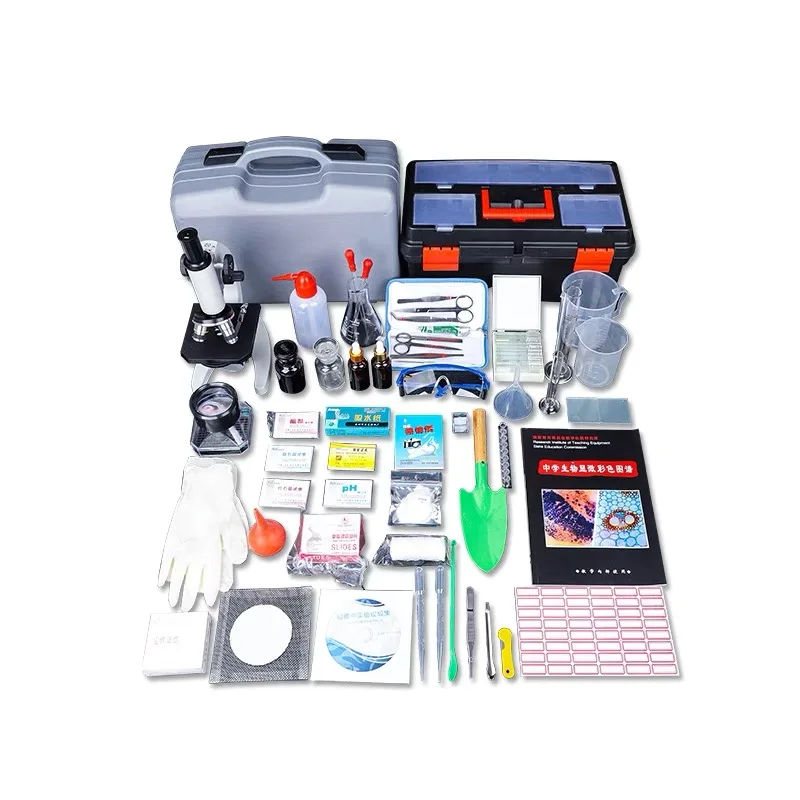
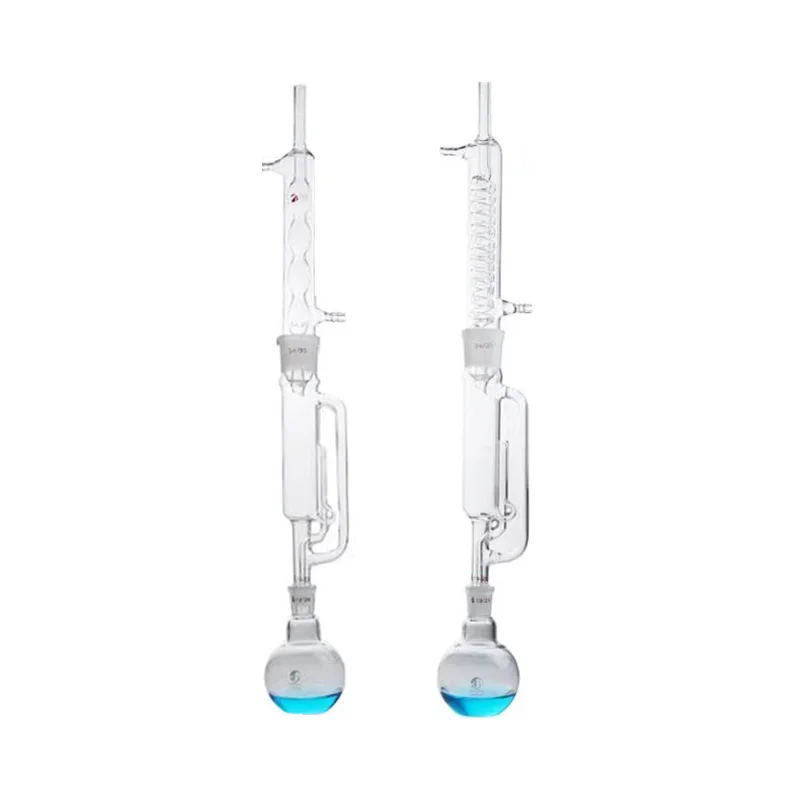
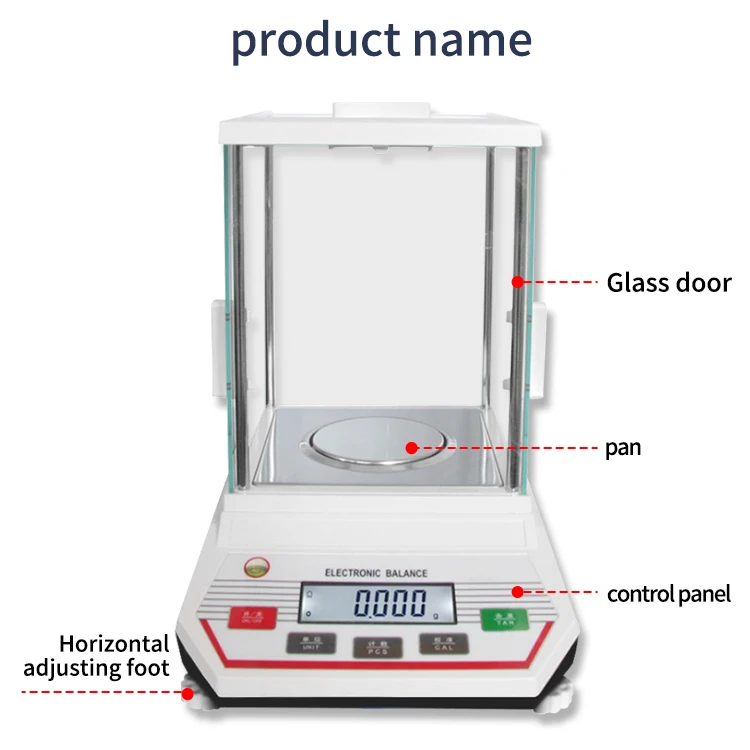
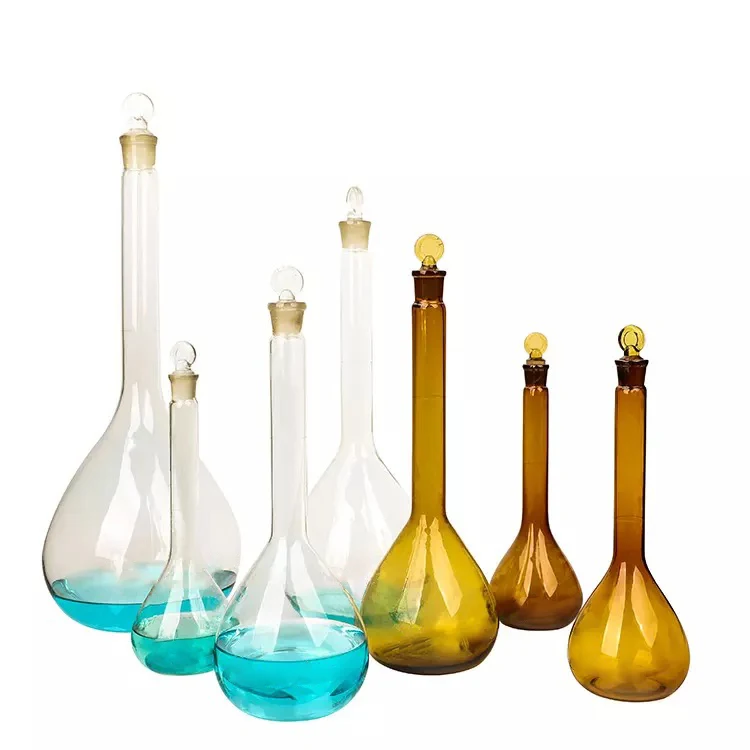
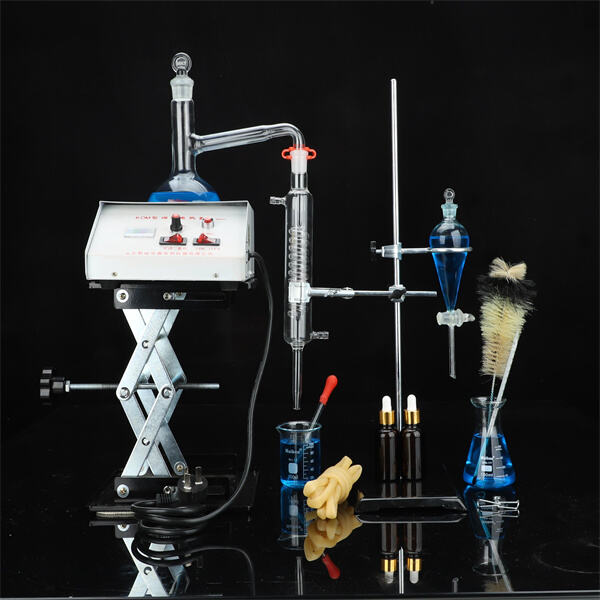
A distillation apparatus is a unique tool scientists employ for separating various liquids. It operates like a sort of magic potion maker, letting scientists study liquids. Alright - let's go over the basics of this thing!
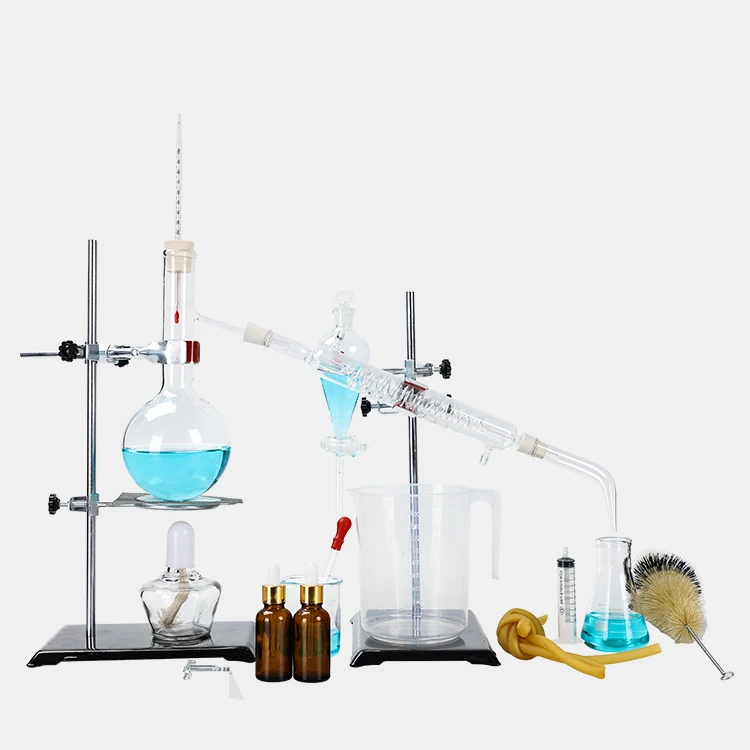
There are several important components of a laboratory distillation apparatus that work in conjunction to separate liquids. The principal parts are a flask, a condenser, a receiver, and a source of heat. The flask is the place where the liquid mixture is heated. The vapor is then condensed back to a liquid by the condenser. Receiver takes up the separated liquid, while the heat source provides the power required to initiate the process.
In distillation, each part has a distinct function. The alcohol distillation equipment required to be separated (from) is contained in the vessel. The condenser is like a cool breeze, assisting in the transformation of the hot vapor back into a liquid. The separated liquid is received by a receiver and the heat source provides energy for the separation.
Safety is paramount when setting up a lab distillation apparatus. Wear protective equipment, like goggles and gloves, before you get started. In addition take care when handling the kit and follow instruction given by an adult. Hot surfaces: Do not touch the hot surfaces of the appliance, and do not place combustible materials near the heat source.
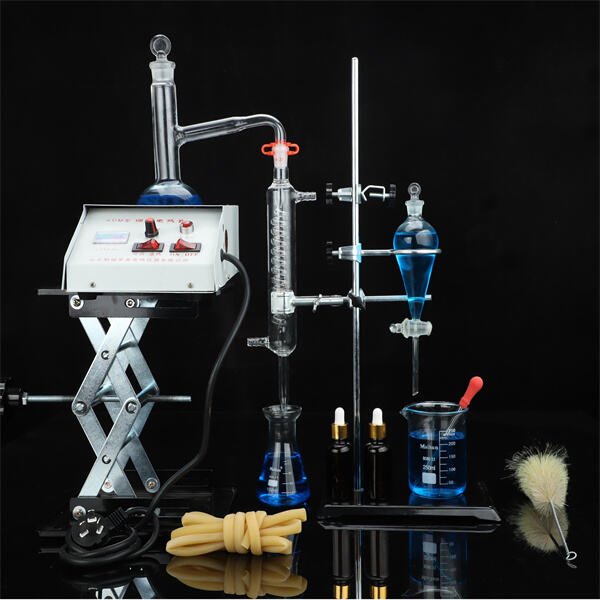
There are various kinds of distillation methods that can be performed using a laboratory distillation flask. Commonly, fractional distillation is used to separate two or more liquids with different boiling points. It is for liquids that have boiling points that are closer to each other. They are mainly distilled using steam in the gentle process known as steam distillation. It is called vacuum distillation if it is used to separate a liquid with a high boiling point.
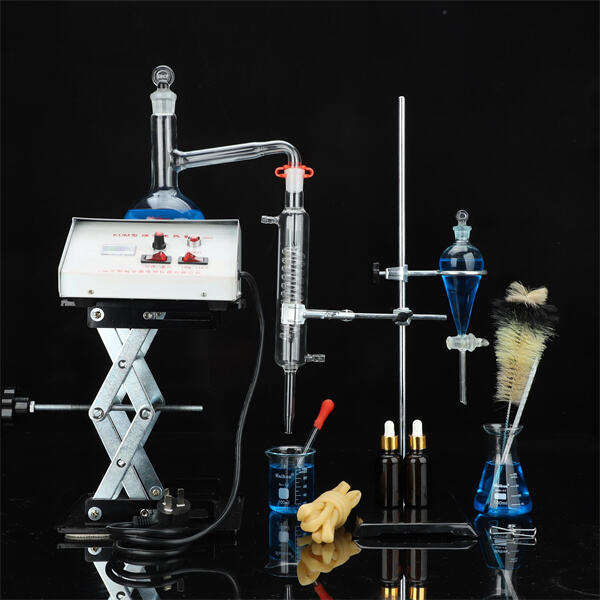
The laboratory distillation apparatus is extremely crucial to areas of science such as chemistry, biology, and industry. In chemistry, it refines chemicals and aids in the analysis of their properties. In biology, it withdraws essential oils and compounds from plants for study. In industry, a variety of distillation kits apparatus are used to produce compounds from fine chemicals to commercial products such as perfumes, inks, and spirits.
We offer a complete portfolio of science lab equipment across physics, chemistry, biology, and primary sciences, with a dedicated R&D team that provides tailored solutions for curriculum and laboratory needs.
Our products hold ISO 9001:2015, CE certifications, and test reports. We provide full lifecycle support—from custom design and safe packaging to warranty services and post-warranty repairs—ensuring a seamless customer experience.
As a source manufacturer with 20 years of experience, we independently handle production, R&D, and global export, ensuring full quality control and reliable supply for educational equipment.
With a team of over 20 foreign trade professionals, we export to 30+ regions including Europe, the U.S., the Middle East, Africa, and Asia, supported by fast production, efficient logistics, and timely delivery.
 EN
EN
 AR
AR
 BG
BG
 HR
HR
 CS
CS
 DA
DA
 NL
NL
 FI
FI
 FR
FR
 DE
DE
 EL
EL
 HI
HI
 IT
IT
 JA
JA
 KO
KO
 PL
PL
 PT
PT
 RO
RO
 RU
RU
 ES
ES
 TL
TL
 ID
ID
 SR
SR
 SK
SK
 SL
SL
 VI
VI
 MT
MT
 TH
TH
 TR
TR
 FA
FA
 AF
AF
 MS
MS
 GA
GA
 HY
HY
 BN
BN
 MN
MN
 SO
SO
 KK
KK
 MY
MY
 UZ
UZ