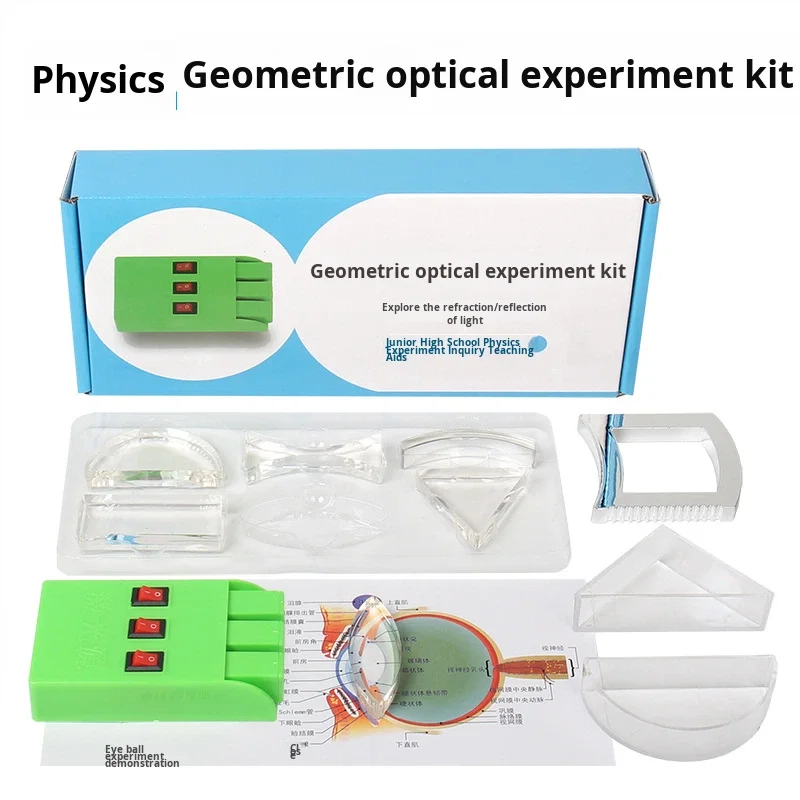
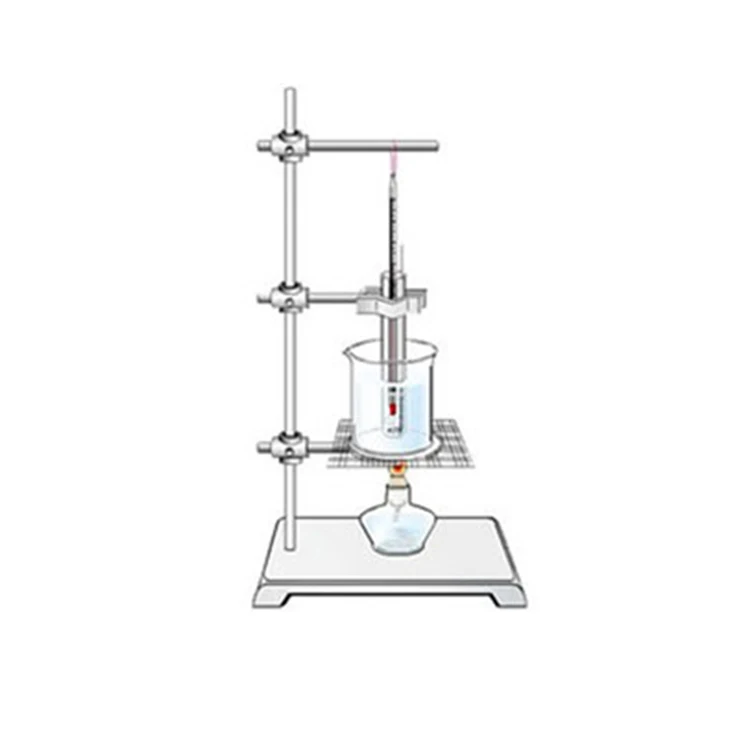
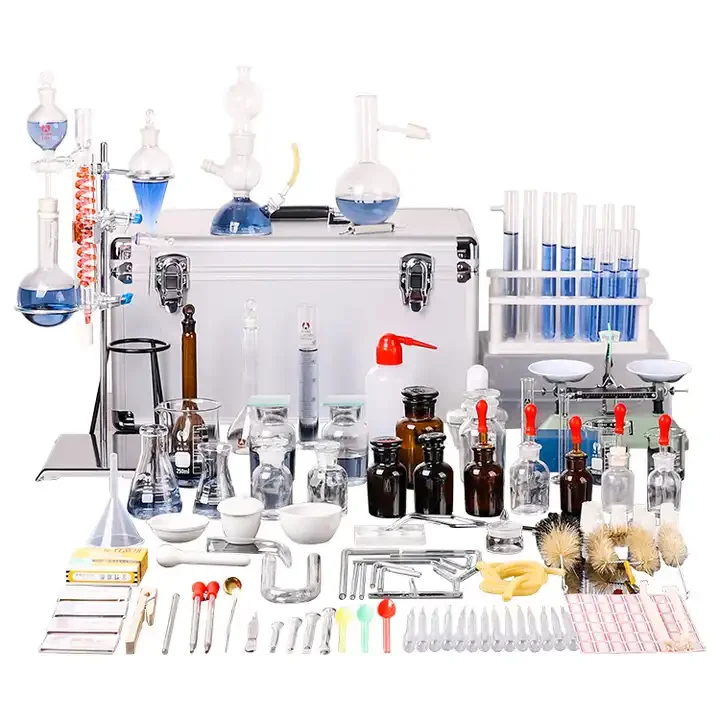
When scientists need to separate easily mixed liquids, they turn to a type of flask known as a distillation flask. This flask is an important tool for chemists who investigate how liquids can be separated in a technique known as distillation physics experiment kit
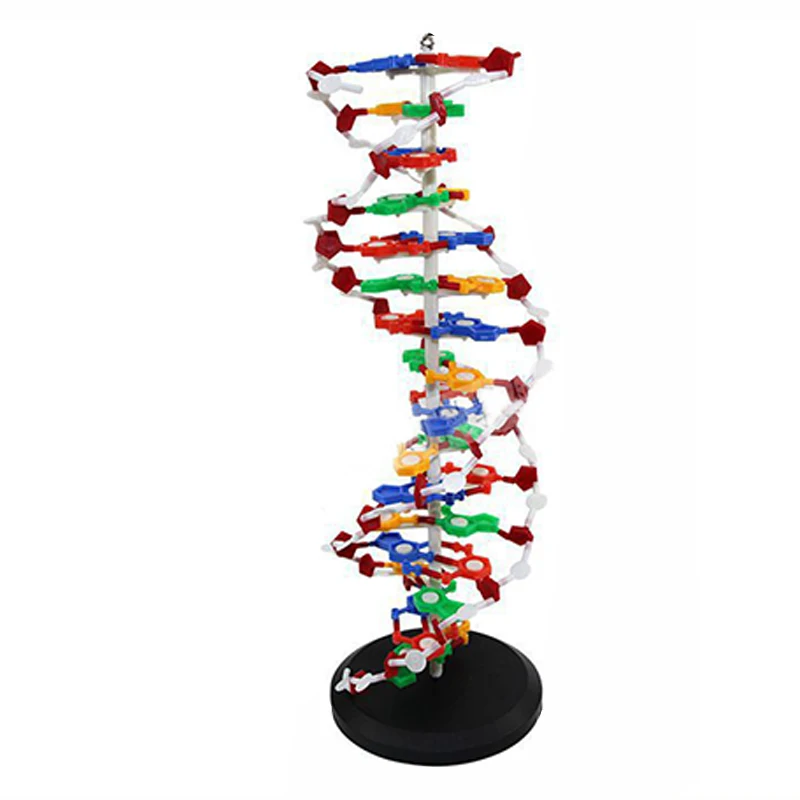
It takes more than a distillation flask to be a chemist. They also need tools with which to do that heating, something like a Bunsen burner — heat source not included. A cooler is necessary to return the vapor to liquid form. They also tap other glass containers, such as test tubes and beakers, to catch the separated liquids Molecular structure model
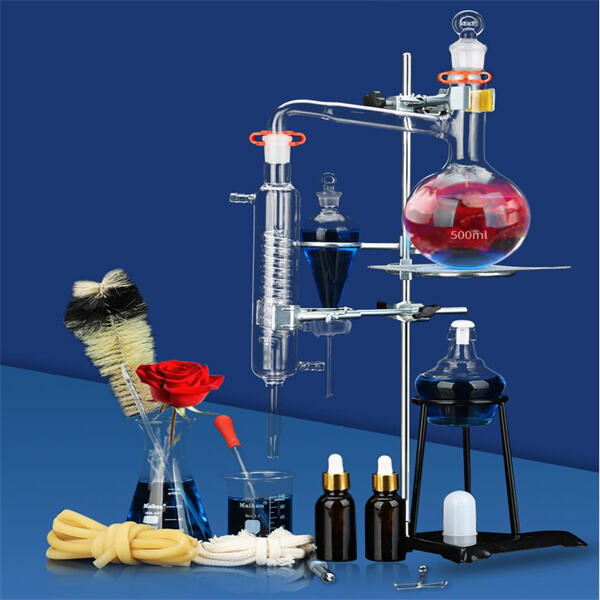
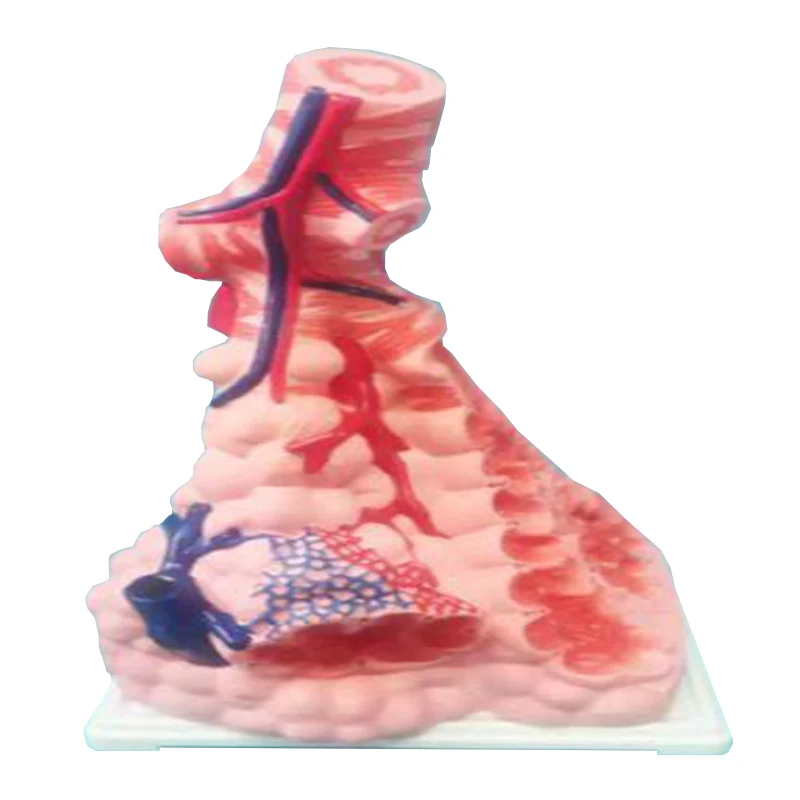
When the heat source is activated, a liquid in the distillation flask becomes hot. As the liquid gets warmer, the one with the lower boiling point begins to evaporate and change into vapor. The vapor travels up through the distillation flask and into the condenser, where it cools and returns to liquid form. The separated liquid enters a third flask, available for further study or use Teaching models
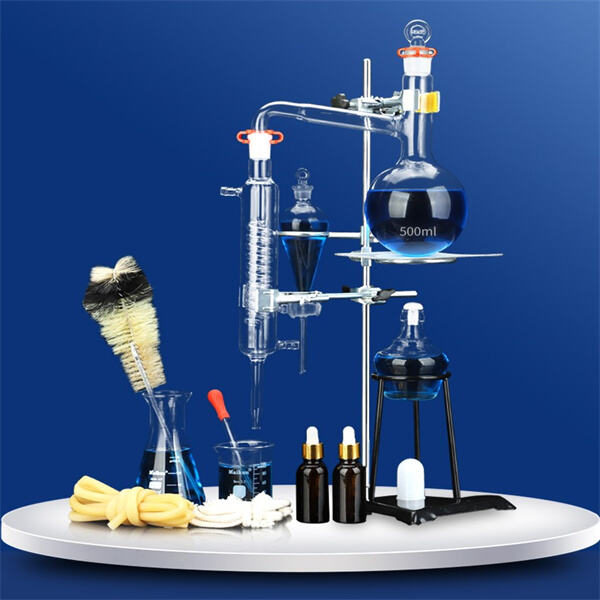
You see distillation all over the place including in the production of alcoholic beverages, essential oils and in the laboratory to purify and separate different chemicals for research. It may also be used in a device that cleans seawater, making it potable. Distillation distillation is an extremely useful process for scientists and engineers.
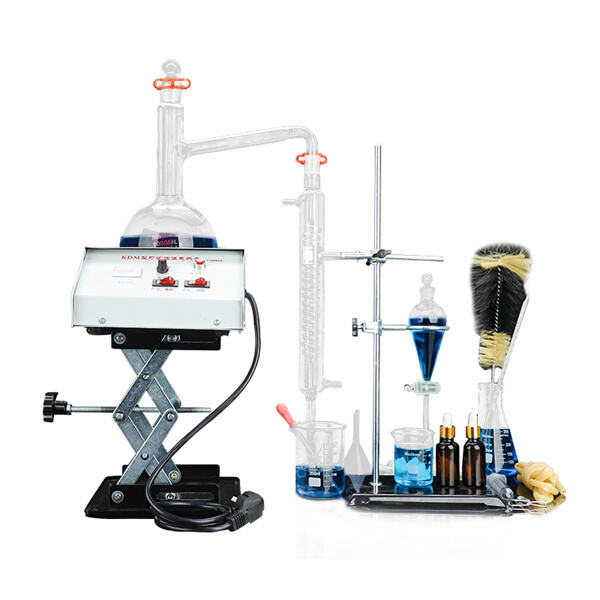
To be good at distillation, chemists spend time with the distillation flask. They have to manage the temperature and the rate at which they heat the liquids to separate them in the first place. They must also be cautious because distillation involves high heat and chemicals that have the potential to be dangerous.
With a team of over 20 foreign trade professionals, we export to 30+ regions including Europe, the U.S., the Middle East, Africa, and Asia, supported by fast production, efficient logistics, and timely delivery.
We offer a complete portfolio of science lab equipment across physics, chemistry, biology, and primary sciences, with a dedicated R&D team that provides tailored solutions for curriculum and laboratory needs.
Our products hold ISO 9001:2015, CE certifications, and test reports. We provide full lifecycle support—from custom design and safe packaging to warranty services and post-warranty repairs—ensuring a seamless customer experience.
As a source manufacturer with 20 years of experience, we independently handle production, R&D, and global export, ensuring full quality control and reliable supply for educational equipment.
 EN
EN
 AR
AR
 BG
BG
 HR
HR
 CS
CS
 DA
DA
 NL
NL
 FI
FI
 FR
FR
 DE
DE
 EL
EL
 HI
HI
 IT
IT
 JA
JA
 KO
KO
 PL
PL
 PT
PT
 RO
RO
 RU
RU
 ES
ES
 TL
TL
 ID
ID
 SR
SR
 SK
SK
 SL
SL
 VI
VI
 MT
MT
 TH
TH
 TR
TR
 FA
FA
 AF
AF
 MS
MS
 GA
GA
 HY
HY
 BN
BN
 MN
MN
 SO
SO
 KK
KK
 MY
MY
 UZ
UZ