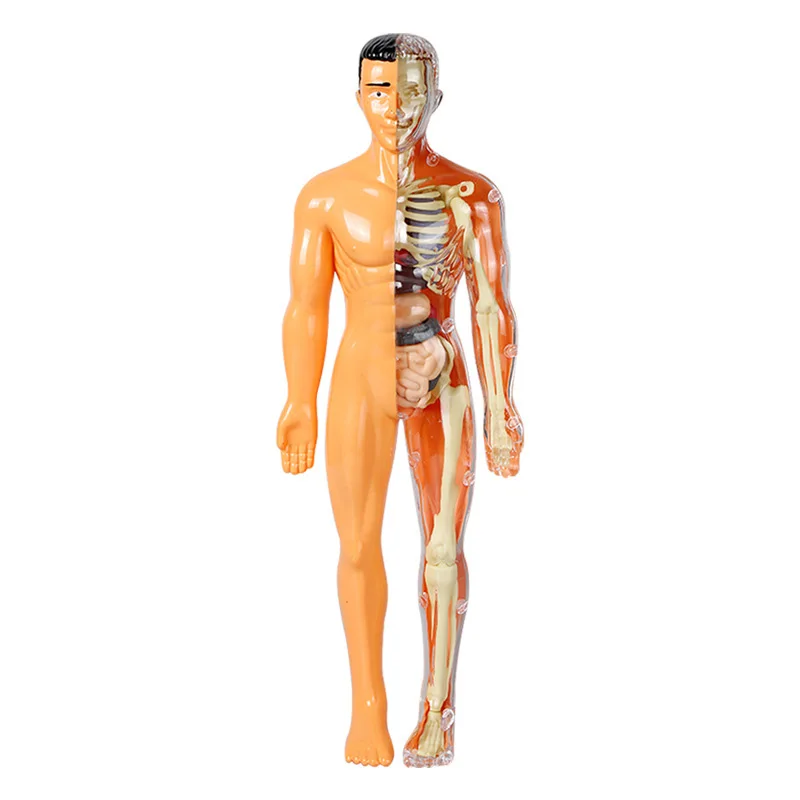
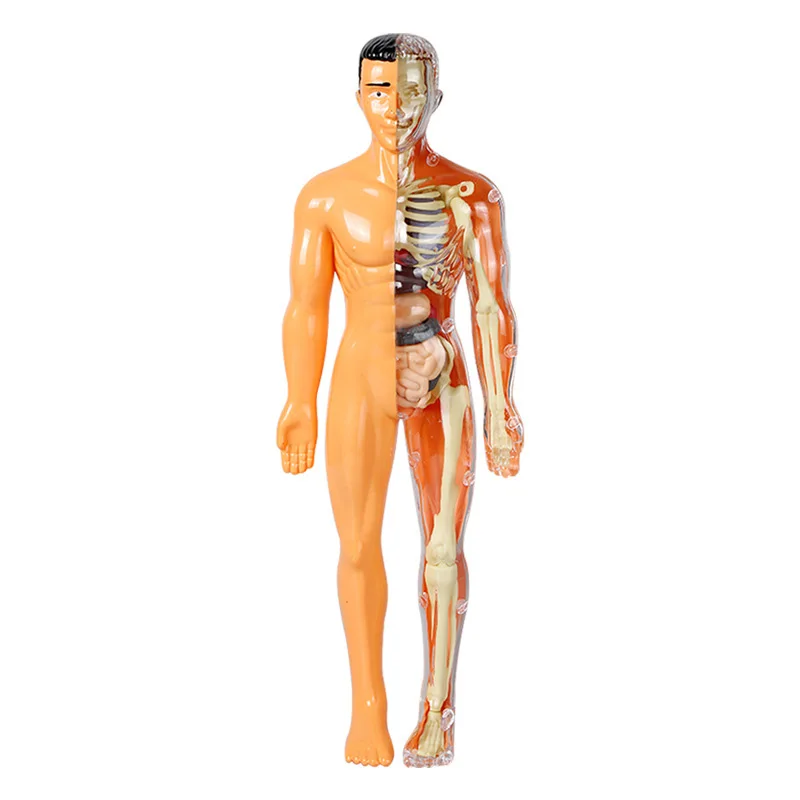
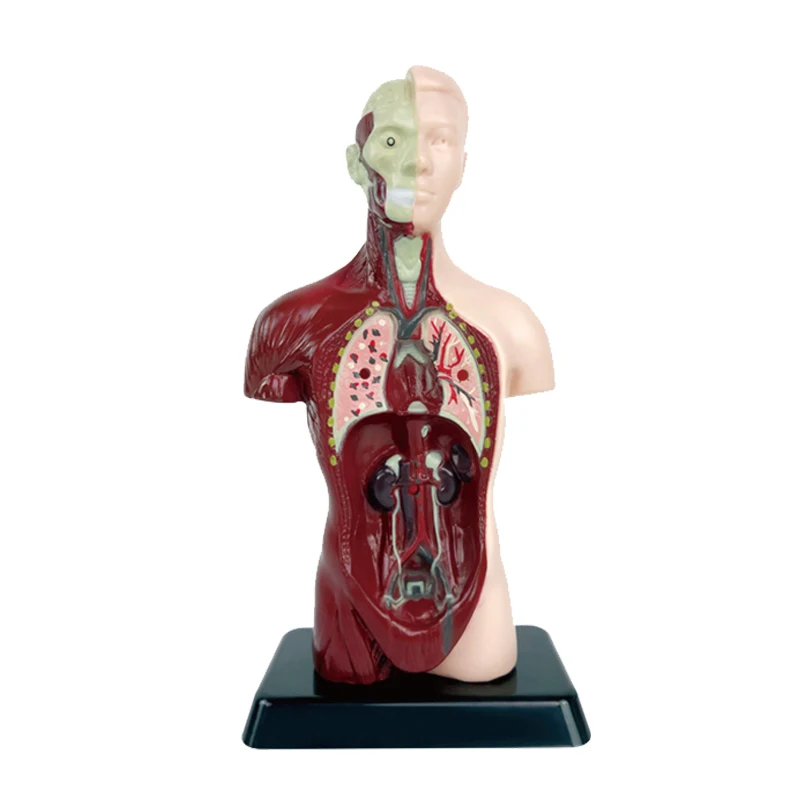
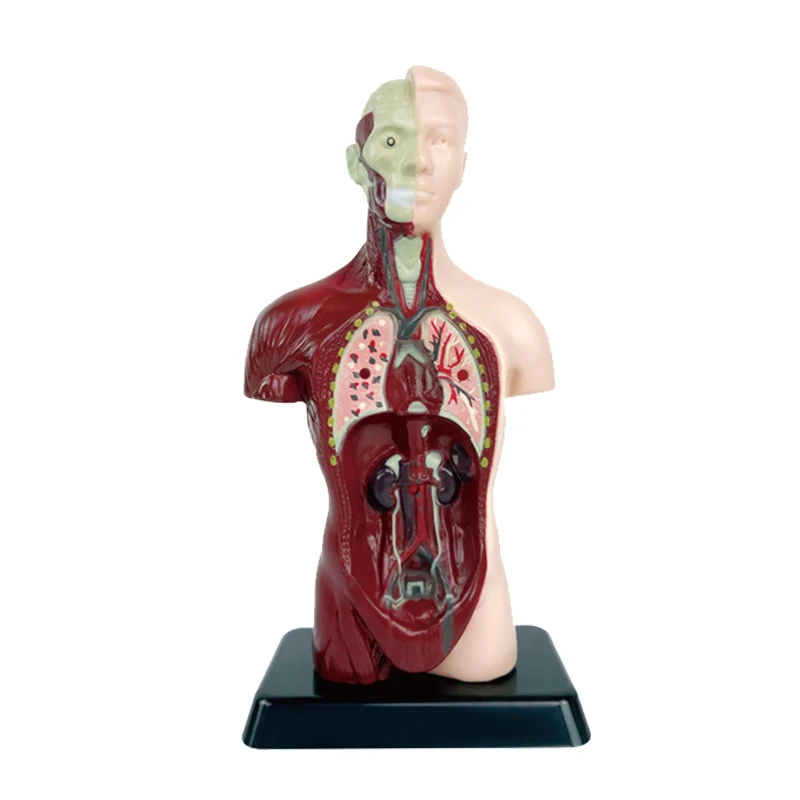
The fallen leaves of plants are extremely important. They also help plants to expand and stay healthy. The model of the leaf structure shows how fallen leaves are constructed and why they issue. It enables us to understand fallen leaves. Here at Maihun, our company believe that being familiar with the leaf structure can make our items better for your customers. Once wholesale buyers know how fallen leaves work, they can determine the very best materials for their needs. That knowledge is valuable in a variety of sectors, especially manufacturing and farming.
The model of the leaf structure defines the various parts in a leaf. You have layers of a leaf as upper epidermis, palisade mesophyll, spongy mesophyll, and lower epidermis. All these parts have their specific function. The upper epidermis serves the purpose of protecting the leaf, and the spongy mesophyll aids in creating food through photosynthesis. The lower spongy mesophyll is the site of gas exchange. To make an informed decision, wholesale buyers need to be aware of this model. It guides them to determine what types of leaves or leaf products they require for their business. For instance, if a customer is looking for leaves for natural medicine, having a sense of the structure can help the buyer choose correctly. This Peach blossom model also assists buyers in understanding the process of how leaves can be processed. Better-educated consumers can make better choices about which part of the leaf is best for a particular product, according to a seller who asked not to be identified. Even the thickness of leaves can be chosen by them, thicker one for a sterner product and thinner leave for delicate products. At Maihun, we aim to simplify these details for the buyers who are mostly in need of very good quality]]. Armed with such information, life can be made so much easier and money and time saved in the process.
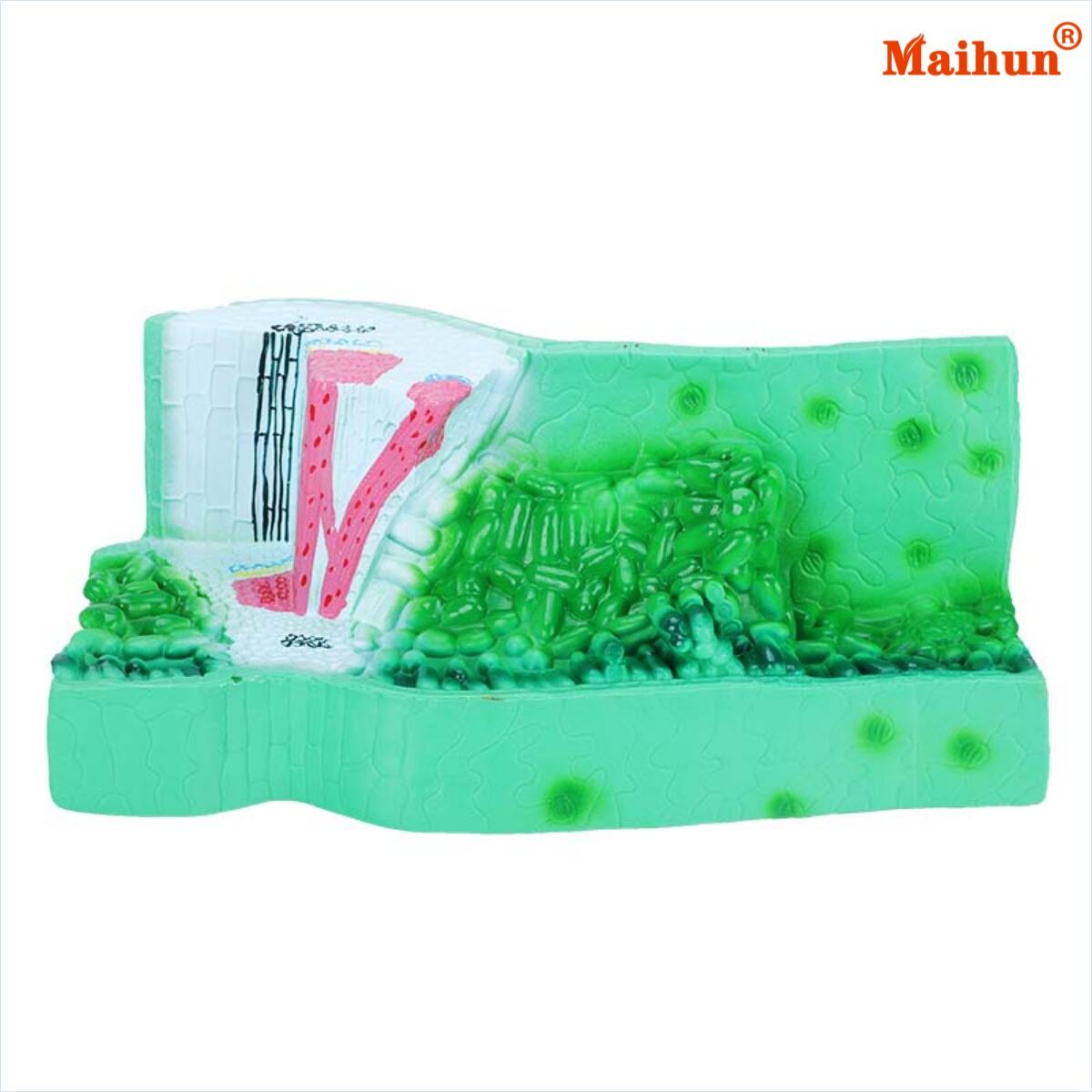
What Does the Leaf Structure Model Do to Improve the quality of Item? The model of leaf structure is essential to the produce quality. When we can understand how fallen leaves are built, after that we can choose the very best products for our products. For instance if we would certainly prefer to produce a herbal tea, since most of the nutrients can be found in the palisade mesophyll, then we'll select more fallen leaves. We at Maihun regard these declarations very seriously. We pay a great deal of focus on the structure of fallen leaves when we develop items. We constantly aim to have each of our item is made from premium quality fallen leaves. This knowledge is beneficial to us also in the production. Without understanding how fallen leaves work, or what they're made up of, we can toss green waste away and not be completely certain our items are efficient. This also makes for more powerful, longer lasting finished items. "If we're doing that for leaf wrappers, like environmentally friendly ones, what is the structure? This is a win-win for the environment and our customers. This is where the model of leaf structure exerts a significant influence in guaranteeing that our deals are of excellent quality and world standard.
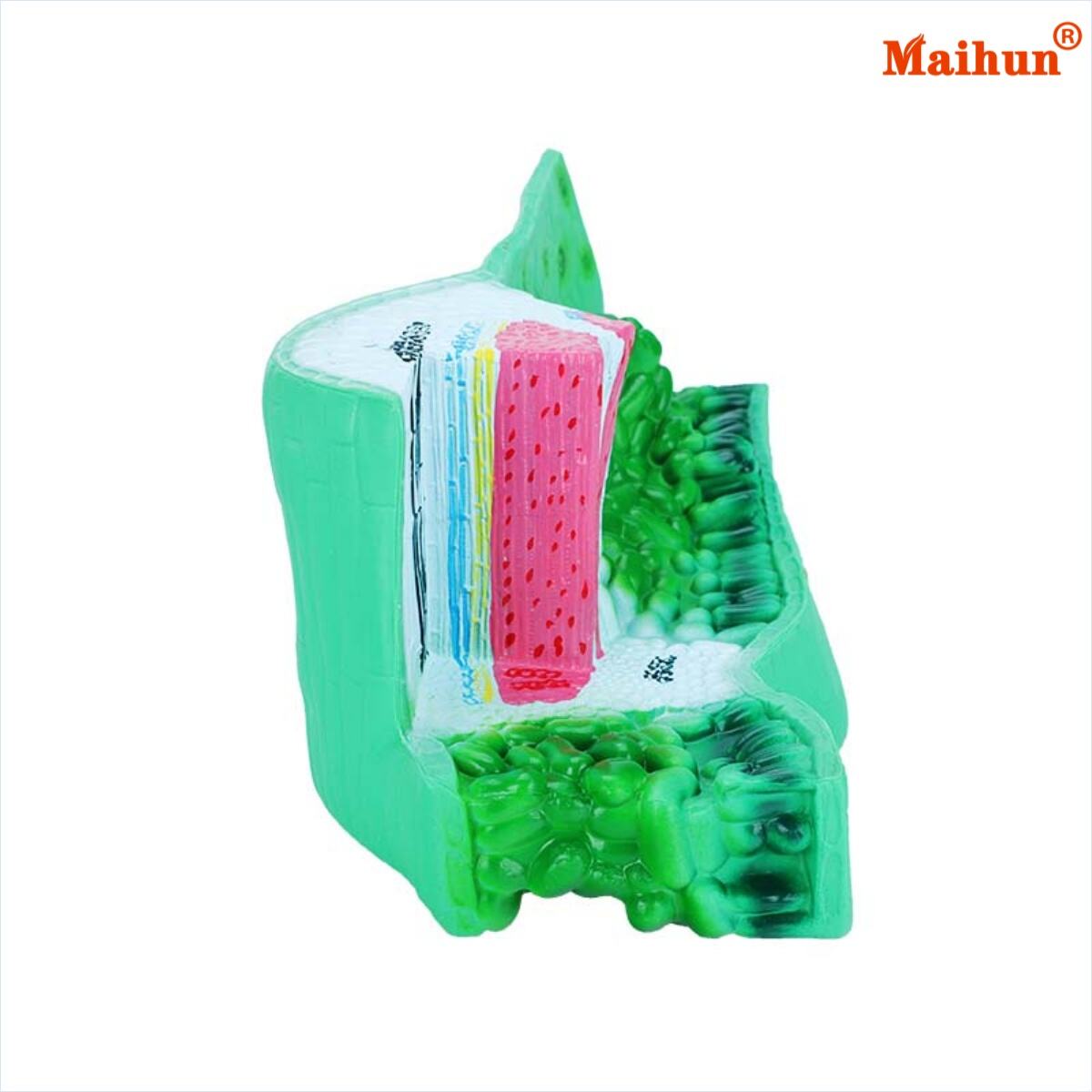
When choosing a cover structure model there are a couple of crucial factors to consider. First, you need to choose the kind of leaf model you want. Some may be designed for institution jobs, and can be great devices for learning while others could be more detailed models used in advanced studies. Consider who the model will be for. For more youthful trainees, a simple model that demonstrates the key elements of a leaf — such as capillaries and stomata — works finest. For older trainees and grownups, a more complex model with every tiny section of a leaf may be preferred. Another thing to evaluate is your avatar's material. Fallen leaves can be made of plastic, foam or paper. Plastic models have the tendency to be more sturdy and last longer, while foam models may be much less significant and easier to wield. Also, consider the size of the model. Some models are tiny enough to rest on a work desk, while others are bigger and intended for display in a class. If you're purchasing for a course or team, it is nice if greater than one model coincides. This way they can learn together. Finally, consider your budget. Leaf pattern models can range in price. You want something that stands for a balance between high quality and worth. We also carry a range of Skin tissue model to suit other requirements and budgets.
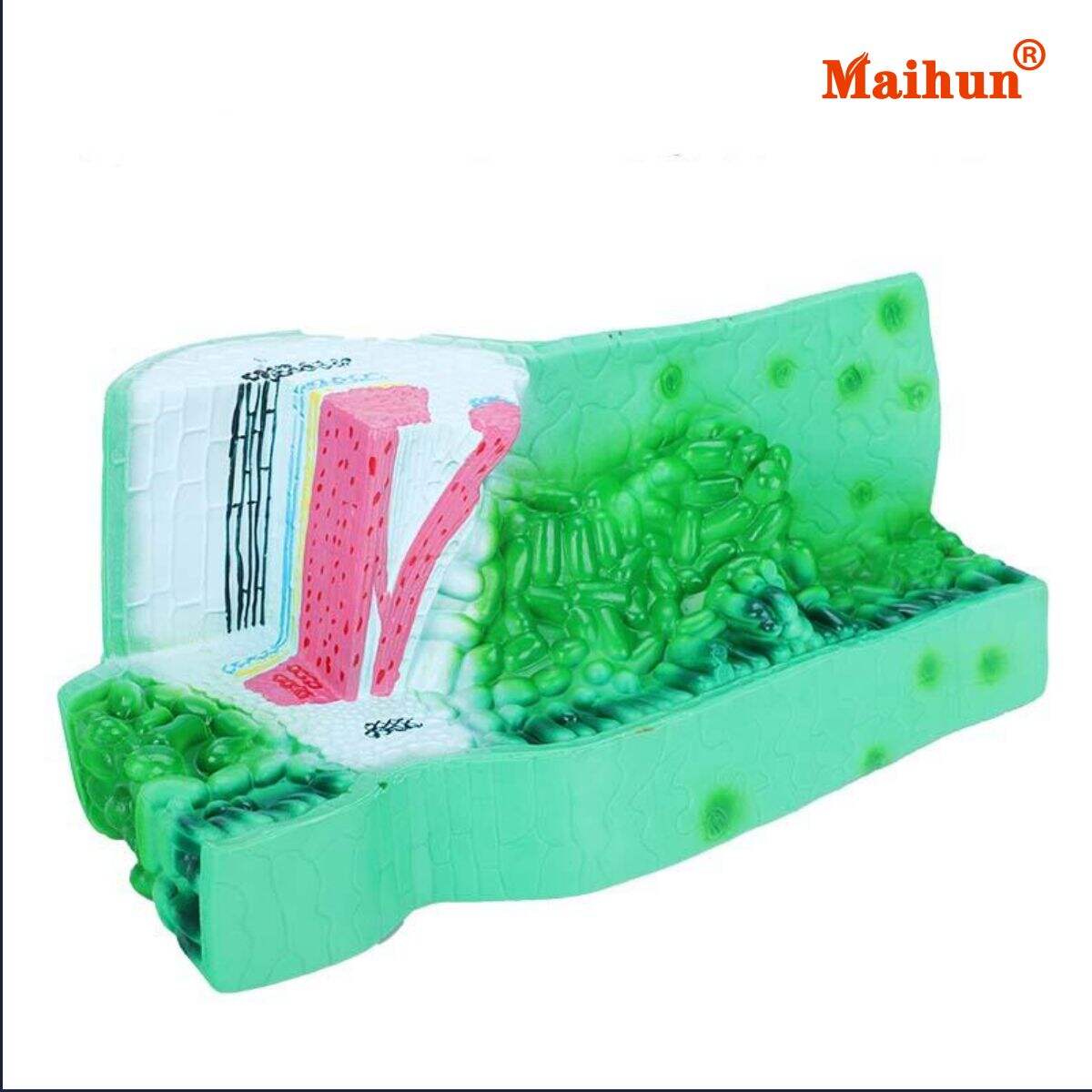
If you are in the marketplace for purchasing leaf structure models at affordable wholesale prices, there are several different choices to think about. Among the best places to start is online. There are hundreds of websites particularly for academic devices and sources, they often have great discounts. If you are planning to buy wholesale, it can be less expensive — particularly if you're purchasing for an institution or community team. You might want to also look for websites that offer discounts or sales. Sometimes companies like our brand name have sales that can find you the models you're looking for at a reduced price. You could also go to local academic provide stores. These stores have the tendency to stock numerous models, and you may be able to negotiate a discount rate if you purchase several sets at the exact same time. Do not neglect searching for for local fairs, or educational conventions. Such shows can also be a chance to find unique models; they often feature unique pricing. When you are looking for wholesale prices, it's important to shop the competitors. Inspect what features each company offers and then see that has the most affordable prices with the preferred quality. Don’t forget, we’re looking for Leaf Anatomy Model that are reasonably priced and effective for learning.
As a source manufacturer with 20 years of experience, we independently handle production, R&D, and global export, ensuring full quality control and reliable supply for educational equipment.
With a team of over 20 foreign trade professionals, we export to 30+ regions including Europe, the U.S., the Middle East, Africa, and Asia, supported by fast production, efficient logistics, and timely delivery.
Our products hold ISO 9001:2015, CE certifications, and test reports. We provide full lifecycle support—from custom design and safe packaging to warranty services and post-warranty repairs—ensuring a seamless customer experience.
We offer a complete portfolio of science lab equipment across physics, chemistry, biology, and primary sciences, with a dedicated R&D team that provides tailored solutions for curriculum and laboratory needs.
 EN
EN
 AR
AR
 BG
BG
 HR
HR
 CS
CS
 DA
DA
 NL
NL
 FI
FI
 FR
FR
 DE
DE
 EL
EL
 HI
HI
 IT
IT
 JA
JA
 KO
KO
 PL
PL
 PT
PT
 RO
RO
 RU
RU
 ES
ES
 TL
TL
 ID
ID
 SR
SR
 SK
SK
 SL
SL
 VI
VI
 MT
MT
 TH
TH
 TR
TR
 FA
FA
 AF
AF
 MS
MS
 GA
GA
 HY
HY
 BN
BN
 MN
MN
 SO
SO
 KK
KK
 MY
MY
 UZ
UZ