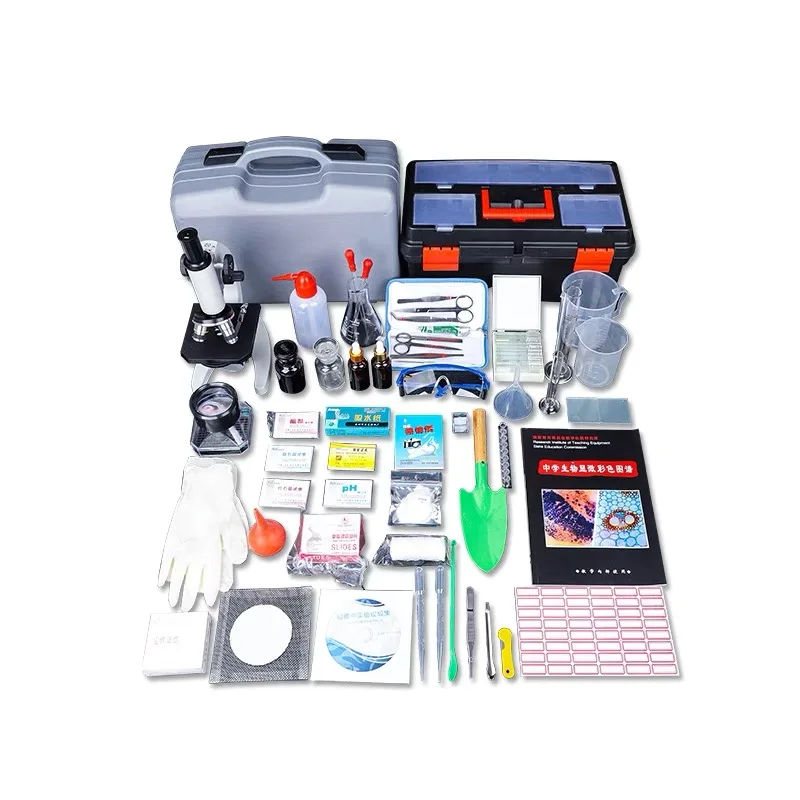
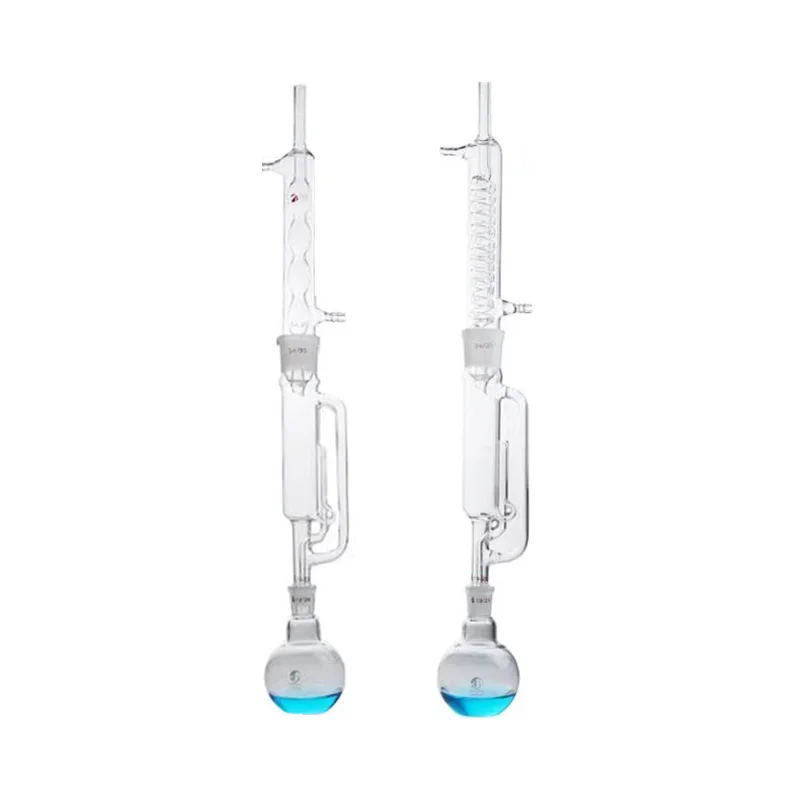
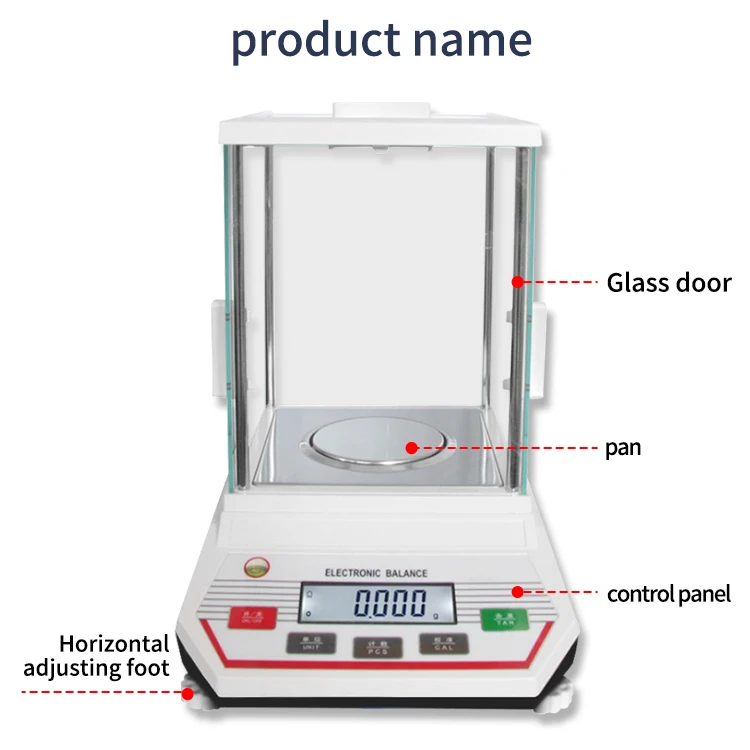
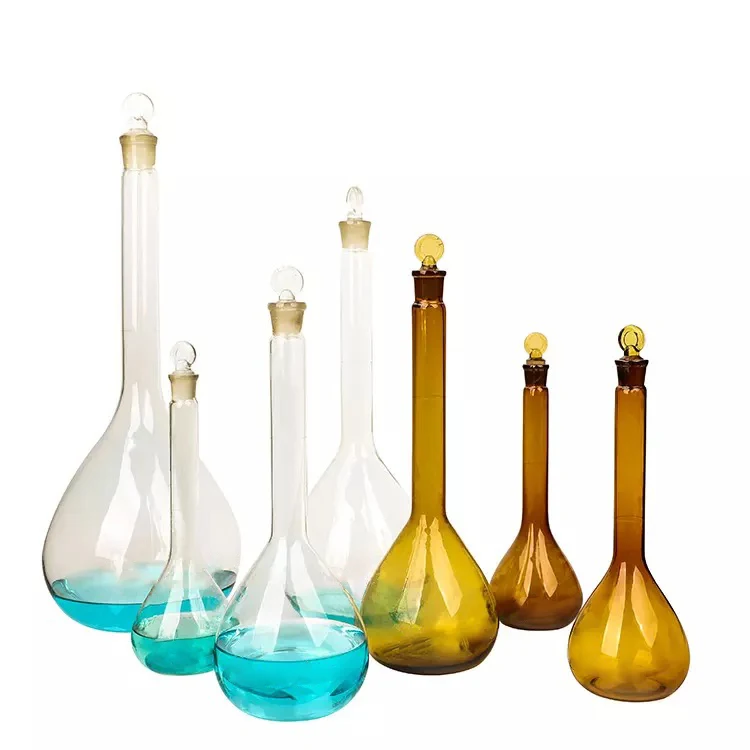
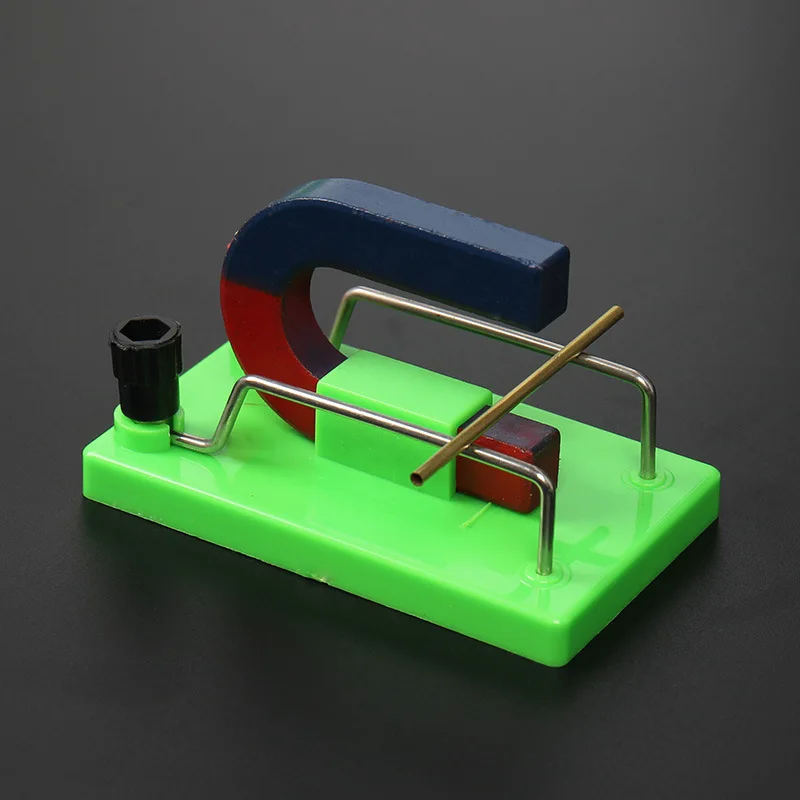
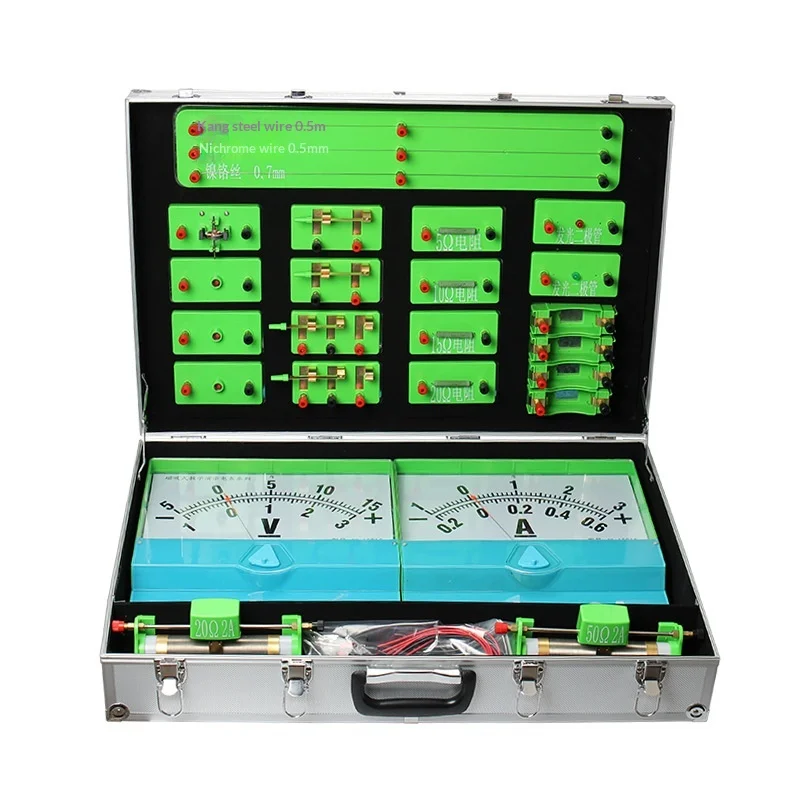
In a laboratory, thermometers are essential instruments. They keep scientists and researchers in line when it comes to taking the right temperature. Whether you’re testing how hot a chemical reaction is or ensuring that a sample is kept at the right temperature, you need a good thermometer. Maihun produces some of the finest lab thermometers out there. They are durable and made for accuracy. The appropriate thermometer can be the difference between an experiment and results that are second best or something close to ideal, so knowing what to look for and how to choose one is key
When you are looking for an ideal lab thermometer, there are several features to bear in mind. First, accuracy is super important. If your thermometer isn't accurate, you might make an error in your experiments. Accurate readings that scientists can rely on High quality thermometers such as those offered by Maihun will provide accurate measurements. Another thing to consider is range. Some experiments are looking to measure very low laboratory apparatus temperatures, while others want to test very high ones. A decent lab thermometer will run the gamut of temperatures you can throw at it for various purposes.
Thermometers of both kinds can be very accurate, but the manner in which they reach their temperature varies. Old-fashioned thermometers can be highly accurate when used properly. But they may take a bit longer to provide a reading, and if they are damaged, they can pose safety risks from the mercury inside. Digital thermometers are often faster and simpler to use, such as Maihun. They generally produce a reading within seconds. Many digital thermometers as well offer features such as memory to store the last temperature that was taken. This can allow scientists to track changes over time
For all their benefits, digital thermometers can be inaccurate in certain circumstances such as low battery charge or when not calibrated. Calibration is the process of verifying that your thermometer gives the right reading. Remember that both microscope kinds of thermometers have a place in the lab. For instance, if you must measure very high or extremely low temperatures, A physical thermometer may be the better option. But for daily use many people also prefer using digital thermometers because they are easy to read and handle. So to summarize, both digital and traditional thermometers can be accurate if used and maintained properly.
You can also visit local suppliers that specialize in scientific equipment. On occasion, going to a local store can give you a better sense of what it is that you need. If you have questions, staff members can provide some guidance. They’re often encyclopedic about the products they sell. One other source of suppliers (aside from through parents or professors) is by attending science fairs or trade shows. These events allow you to meet various physics experiment lab kit companies and get hands-on time with their products. The can be really beneficial because then you can compare different thermometers.
And you can also read reviews from other customers. This should offer some indication of quality of the thermometers and trust in the supplier. You’ll also want to read up and see if the supplier has good customer service, as this is crucial in case of any problems with your order. Long story short, there is no difficulty to find wholesale suppliers for lab thermometers if you know where to look. You can search online, visit local stores, look at trade shows and read what other physics practical kit customers have said to know how and where to buy the right ones for your needs.

Another important aspect to keeping your thermometer in good condition is calibration. It consists in verifying if the thermometer indicates 'the right' temperature. (You can verify it by comparing to a thermometer of known credibility.) If your thermometer is not reading correctly, you may need to calibrate it. Early digital thermometers have a calibration function that allow you to adjust it in case of an incorrect result. Traditional thermometers If you have a traditional mercury physics project kit thermometer, you may need to get rid of it if it’s no longer accurate.
As a source manufacturer with 20 years of experience, we independently handle production, R&D, and global export, ensuring full quality control and reliable supply for educational equipment.
With a team of over 20 foreign trade professionals, we export to 30+ regions including Europe, the U.S., the Middle East, Africa, and Asia, supported by fast production, efficient logistics, and timely delivery.
We offer a complete portfolio of science lab equipment across physics, chemistry, biology, and primary sciences, with a dedicated R&D team that provides tailored solutions for curriculum and laboratory needs.
Our products hold ISO 9001:2015, CE certifications, and test reports. We provide full lifecycle support—from custom design and safe packaging to warranty services and post-warranty repairs—ensuring a seamless customer experience.
 EN
EN
 AR
AR
 BG
BG
 HR
HR
 CS
CS
 DA
DA
 NL
NL
 FI
FI
 FR
FR
 DE
DE
 EL
EL
 HI
HI
 IT
IT
 JA
JA
 KO
KO
 PL
PL
 PT
PT
 RO
RO
 RU
RU
 ES
ES
 TL
TL
 ID
ID
 SR
SR
 SK
SK
 SL
SL
 VI
VI
 MT
MT
 TH
TH
 TR
TR
 FA
FA
 AF
AF
 MS
MS
 GA
GA
 HY
HY
 BN
BN
 MN
MN
 SO
SO
 KK
KK
 MY
MY
 UZ
UZ